Creating a Sustainable Routine for Dance Practice
As the journey of adapting to aging unfolds, incorporating dance into your routine can promote both physical and mental well-being. Establishing a sustainable dance practice is essential for reaping long-term benefits. This article outlines practical steps to help you create a reliable routine while enjoying the numerous advantages dance offers.
Understanding the Basics of Dance Practice
Integrating dance into your lifestyle can be highly beneficial, as studies indicate that regular physical activity such as dance can enhance overall health and quality of life for older adults. According to research published by the Journal of Aging and Physical Activity, engaging in dance can improve balance, coordination, and flexibility, which are crucial as we age.
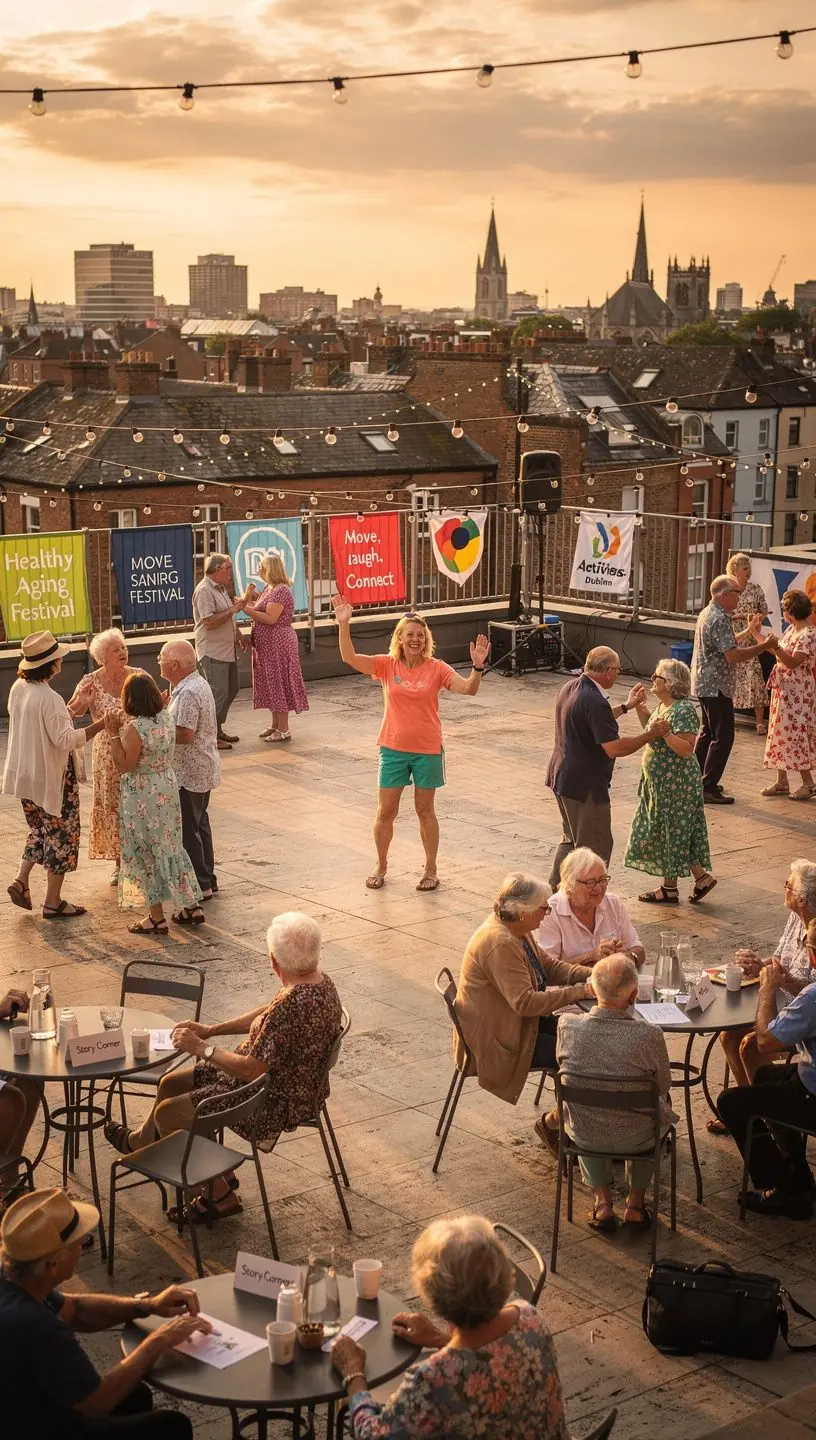
"Regular dancing can help older adults maintain physical fitness and social connections, which are key factors in healthy aging." - Industry experts
Steps to Establish a Sustainable Dance Routine
Creating a sustainable dance practice involves several important steps:
- Set Realistic Goals: Start with achievable objectives, such as attending a dance class once a week. Experts recommend setting specific and measurable goals to maintain motivation.
- Choose Enjoyable Styles: Select dance styles that you find enjoyable. Many users report that finding joy in their chosen dance form leads to greater adherence to their routines.
- Schedule Regular Sessions: Commit to a consistent practice schedule. Research shows that maintaining a routine can help build habits and make participation feel more natural.
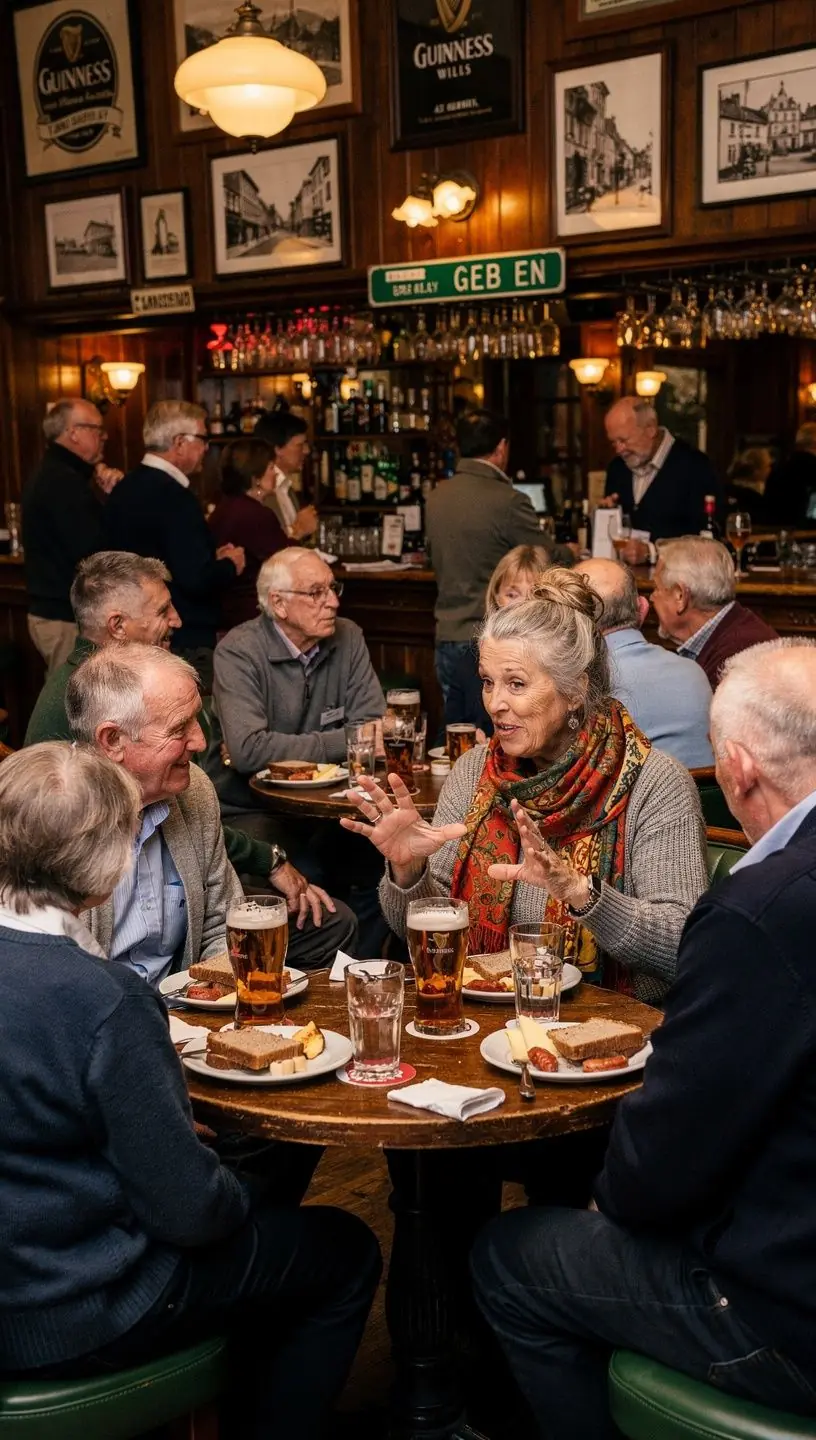
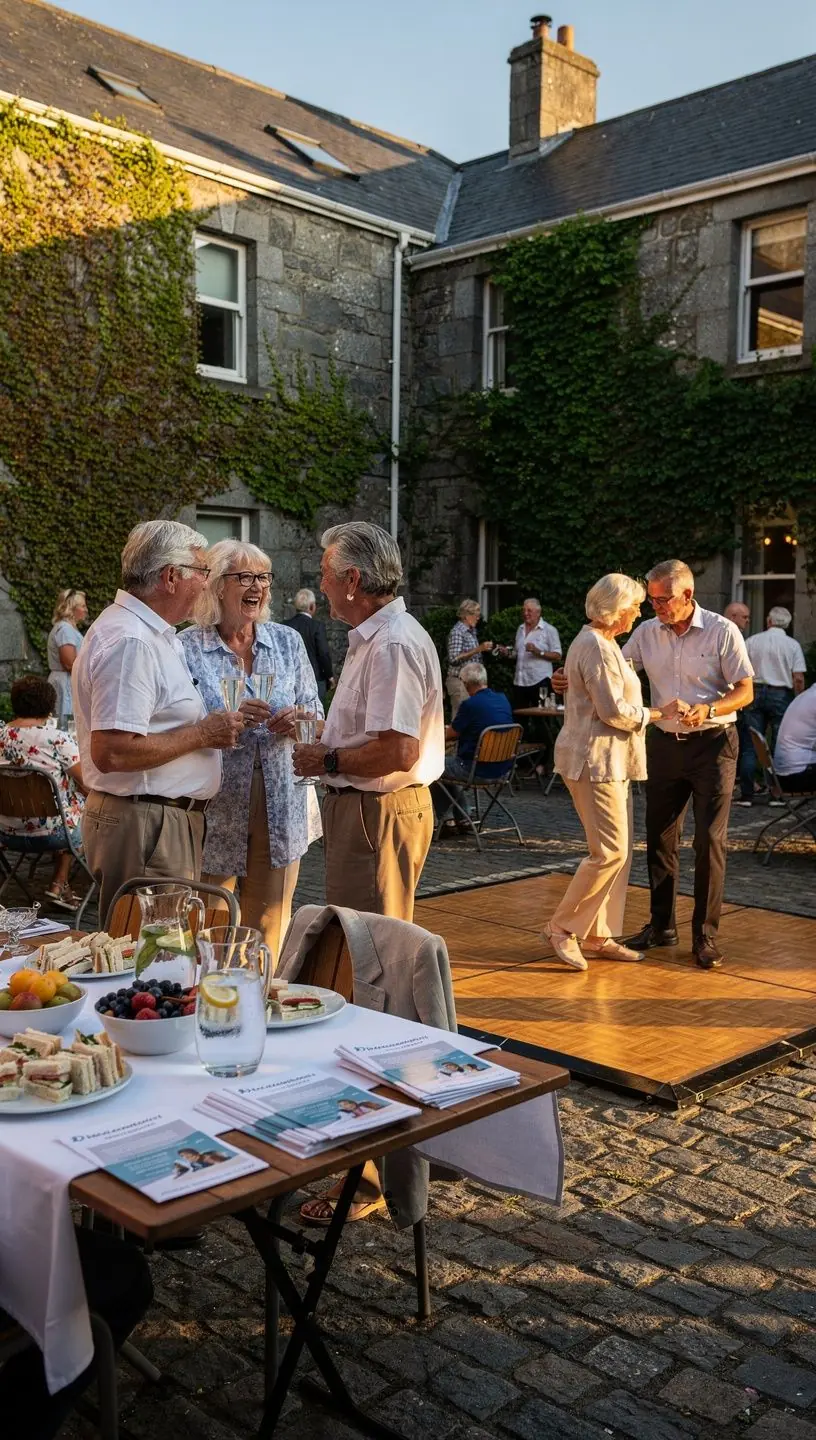
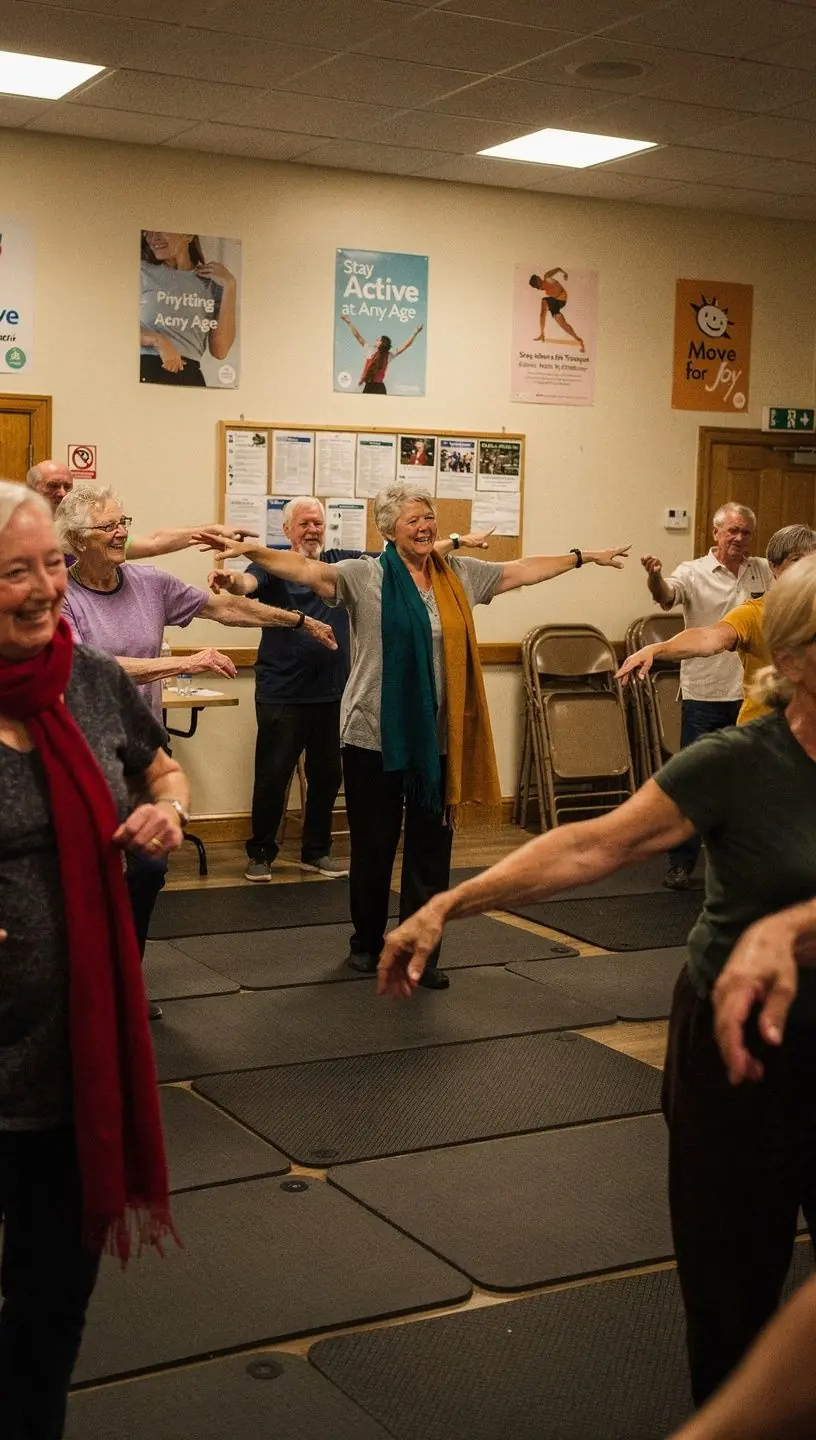
- Engage with Community: Attend offline networking events or group classes. Socializing while dancing can enhance enjoyment and motivation, as well as promote a sense of belonging.
Incorporating Flexibility and Variation
It’s important to incorporate flexibility into your dance routine. While a structured schedule can be effective, allowing for variations can keep practice enjoyable and engaging. Here are some strategies:
- Experiment with Different Styles: Trying out various dance genres can renew enthusiasm and prevent burnout. Styles like salsa, ballroom, or contemporary dance can offer new challenges.
- Mix Dance with Other Activities: Combining dance with other forms of exercise, such as yoga or walking, can create a well-rounded fitness routine that addresses multiple needs.
- Listen to Your Body: Pay attention to how your body feels during and after dance practice. This awareness can help you adjust your routine to avoid injury and enhance enjoyment.
Setting Clear Expectations for Your Dance Journey
While dance can be a fulfilling activity, it’s essential to set clear expectations about your journey. Results typically appear within 3-6 months of consistent practice, but progress may vary based on individual effort and dedication. Additionally, you'll likely encounter a learning curve as you master new steps and techniques.
In most cases, a commitment of 2-4 hours per week will be beneficial. However, individuals with limited experience might find that more frequent practice is helpful in building confidence and skill.
Conclusion
Establishing a sustainable dance routine is an effective way to enhance your physical and mental well-being as you adapt to aging. By setting realistic goals, engaging with community, and allowing for flexibility, you can create an enjoyable practice that enriches your life. Remember, the journey is about balance and finding what works best for you. Dance not only keeps you moving; it also connects you with others and fosters a sense of joy that can last a lifetime.
Learn More