How to Choose the Right Dance Class for You
Choosing the right dance class can significantly enhance your physical and mental well-being, especially as you navigate the aging process. This article will guide you through the essential considerations to make an informed choice that aligns with your personal goals and lifestyle.
Understanding Your Dance Goals
Before selecting a class, it's vital to understand your objectives. Are you looking to improve your fitness, learn a new skill, or simply have fun? According to research, engaging in dance can promote physical health by improving cardiovascular endurance and flexibility, typically offering a variety of benefits for older adults.
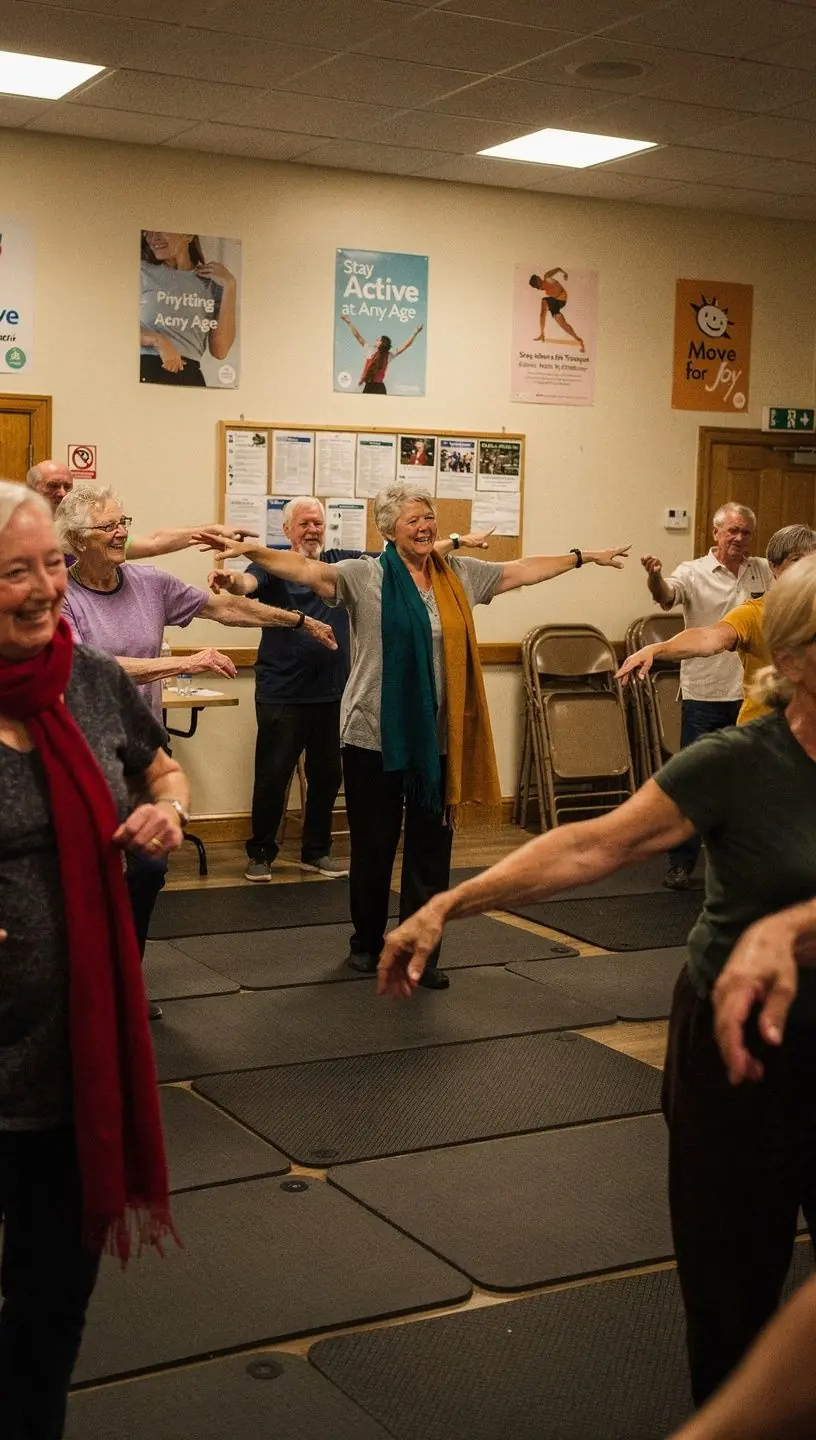
"Dance not only serves as a form of physical exercise but also enhances cognitive function and emotional well-being." - National Institute on Aging
Types of Dance Classes Available
There are numerous styles of dance classes available, each catering to different interests and abilities. Here are some popular options:
- Ballet: Often focused on flexibility and posture, suitable for those who enjoy a structured format.
- Jazz: A lively option that combines elements of ballet and modern dance, often appealing to those seeking fun and expression.
- Ballroom: This style focuses on partner dancing and can be a social way to engage with others.
- Zumba: A dance fitness class that incorporates various dance styles, typically popular for its energetic environment.
Assessing Class Compatibility
Finding the right class also involves evaluating compatibility with your current fitness level and preferences. Many instructors recommend starting with beginner classes, particularly if you are new to dance. This can help ease any anxieties and build confidence gradually.
In most cases, dance classes require some physical ability, and it's crucial to listen to your body. If you have existing health concerns, it’s advisable to consult with a healthcare professional before starting any new physical activity.
Location and Community Considerations
Location is another significant factor. Many users report that attending classes closer to home can enhance the likelihood of consistent attendance. Additionally, consider the community aspect of dancing. Many dance studios offer social events or networking opportunities, which can be beneficial for making new friends and fostering connections.
Commitment and Time Investment
It’s essential to recognize the time commitment involved in taking dance classes. Many experts suggest that regular participation, typically 1-2 times per week, can lead to noticeable improvements within 2-3 months. However, results may vary based on individual effort and engagement.
Trial Classes and Feedback
Most dance studios offer trial classes, giving you a chance to experience the atmosphere and teaching style before committing. Take advantage of this opportunity to assess whether the class feels right for you. Additionally, don't hesitate to ask for feedback from instructors regarding your progress, as this can provide valuable insights into areas for improvement.
Conclusion
Choosing the right dance class is a personal journey that requires reflection on your goals, preferences, and physical capabilities. By considering various styles, assessing compatibility, and engaging with your local dance community, you can find a class that not only meets your needs but also enhances your overall quality of life as you adapt to the aging process. Remember, the objective is to enjoy yourself while nurturing your body and mind through the joyful art of dance.