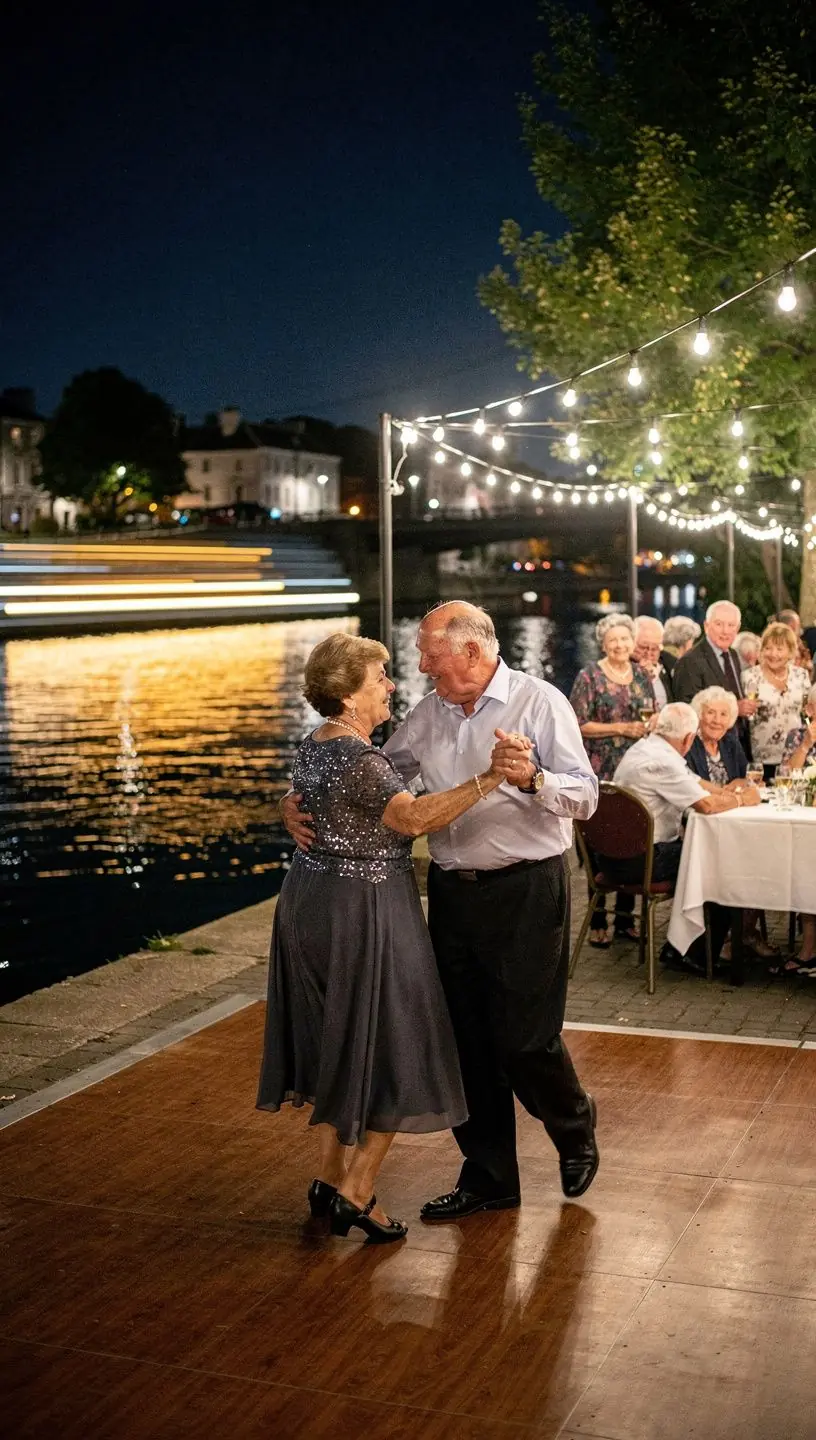
Understanding the Benefits of Dance for Seniors
As seniors navigate the complexities of aging, engaging in dance can be a powerful tool for enhancing both physical and mental well-being. This article explores the multifaceted benefits of dance for older adults, shedding light on how it promotes health, social interaction, and emotional resilience.
The Physical Benefits of Dance
Dancing is not just a fun activity; it is also an effective form of exercise. According to research, regular dance participation can improve balance, flexibility, and cardiovascular fitness. Studies show that older adults who engage in dance classes often experience reduced falls and enhanced mobility. The rhythmic movements involved in dance can also lead to better coordination and strength, which are essential for maintaining independence as one ages.
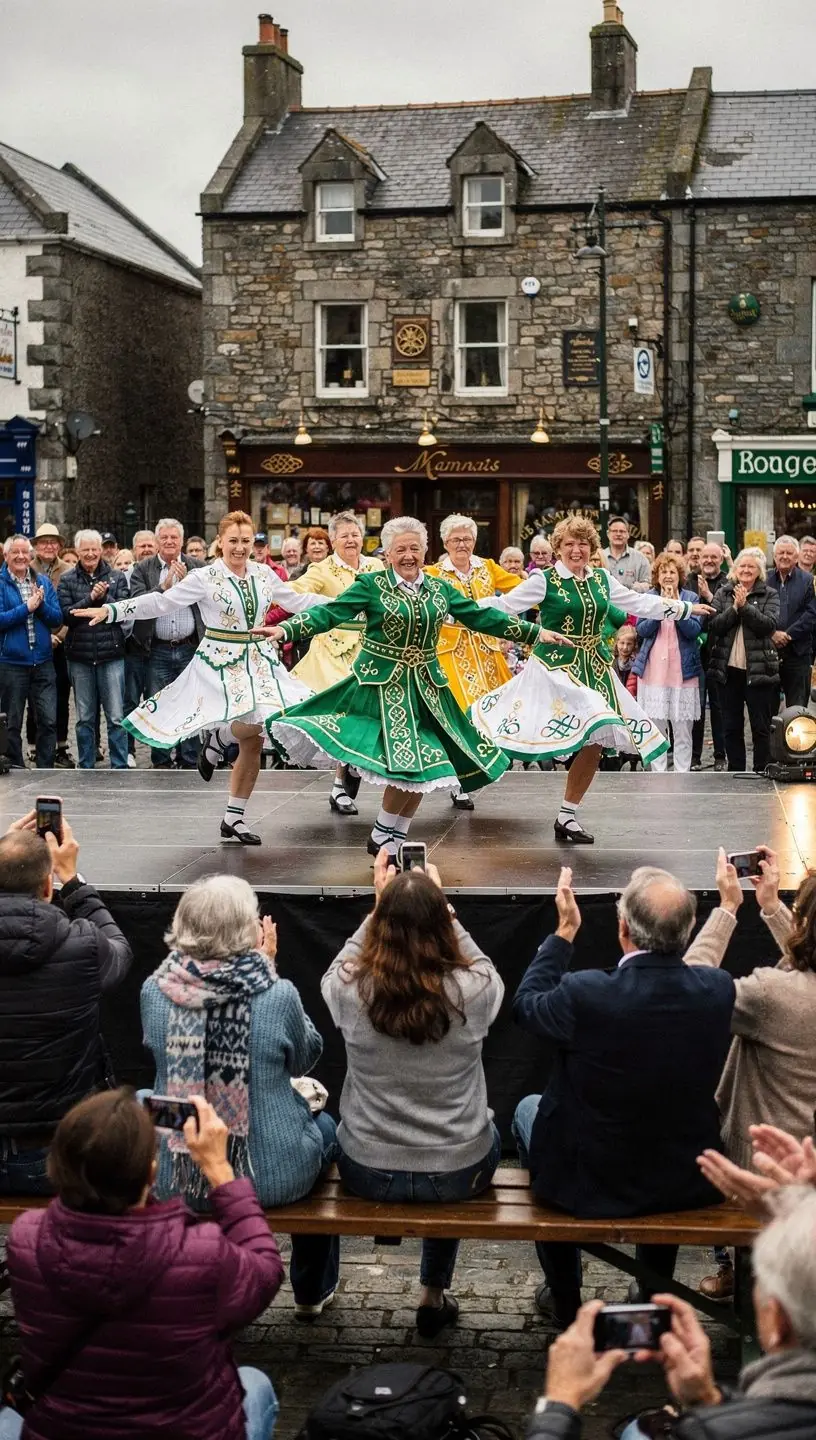
The Mental and Emotional Advantages
Beyond physical health, dance can significantly boost mental health. Experts recommend dance as a means of reducing symptoms of anxiety and depression. When seniors dance, they often experience an elevated mood due to the release of endorphins, often referred to as "feel-good" hormones. A study published in the Journal of Aging and Physical Activity found that participants reported increased life satisfaction and emotional well-being after engaging in dance activities.
"Dance can serve as a therapeutic outlet, helping to foster emotional expression and resilience in seniors." - A renowned geriatric physiotherapist
Social Connections Through Dance
One of the unique aspects of dance is its ability to foster social connections. Many seniors often face isolation, which can exacerbate feelings of loneliness. Group dance classes provide an opportunity for seniors to meet others, build friendships, and create a sense of community. Researchers have found that participating in social dance activities can lead to improved social engagement and a stronger support network among peers.
Getting Started with Dance
For those looking to incorporate dance into their routine, here are some practical steps:
- Find a Class: Look for beginner-friendly dance classes that cater to seniors, focusing on styles such as ballroom, line dancing, or gentle salsa.
- Commit to Regular Practice: It typically takes 4-6 weeks for individuals to notice significant improvements in their dance skills and physical health.
- Engage with a Community: Join dance clubs or local social events that provide opportunities for interaction and learning.
Keep in mind that dance is not suitable for everyone, especially those with certain physical limitations. Always consult with a healthcare professional before starting any new physical activities, particularly if there are pre-existing health conditions.
Conclusion
In summary, engaging in dance offers seniors a multifaceted approach to enhancing their quality of life. From improving physical health and fostering emotional well-being to creating meaningful social connections, dance can profoundly impact the aging experience. By taking the first steps toward participation, seniors can embark on a journey that promotes health, happiness, and community.
Learn More