Tips for Creating an Inclusive Dance Environment
Creating an inclusive dance environment is essential, especially for those adapting to aging. This article provides practical tips to help instructors and participants foster a welcoming atmosphere that encourages engagement and enjoyment in dance.
Understanding the Importance of Inclusion
Inclusivity in dance not only enhances the experience for participants but also promotes mental and physical well-being. According to research, inclusive environments can lead to increased participation rates and improved self-esteem among older adults. Experts recommend creating spaces where everyone feels valued and respected, which is particularly important in a diverse community.
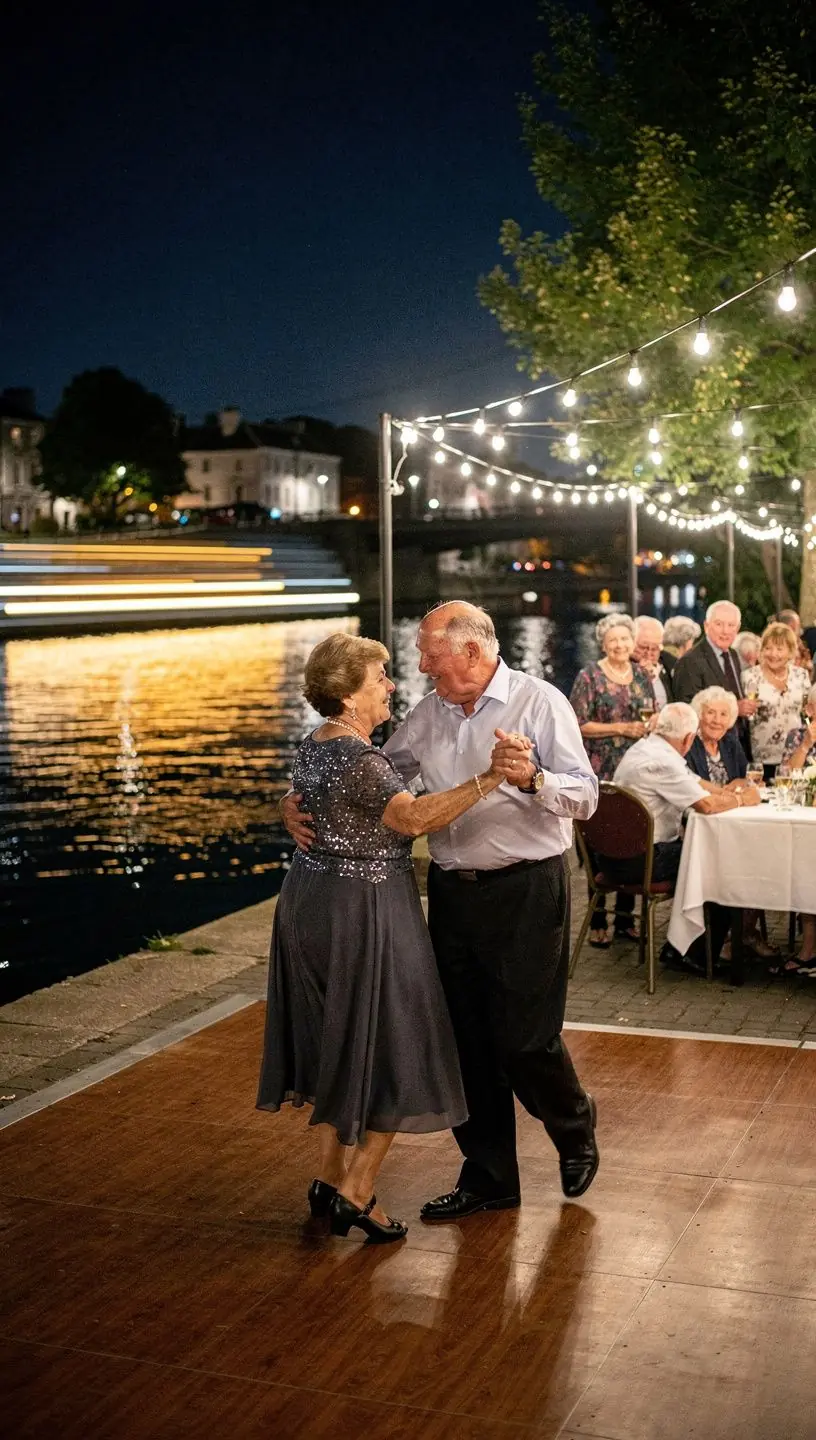
"An inclusive dance environment fosters connection and joy, encouraging individuals to express themselves freely." - Dance Specialist
Practical Steps to Foster Inclusivity
- Adapt Class Structures: Consider varying the format of dance classes to cater to different skill levels and physical abilities. Techniques such as breaking down movements into simpler steps can help participants feel more comfortable and engaged.
- Encourage Open Communication: Establishing a space where participants can share their preferences or concerns is vital. Providing opportunities for feedback can help instructors adjust their approaches to better meet the needs of everyone involved.
- Incorporate Diverse Music and Styles: Integrating various musical genres and dance styles can appeal to a wider audience. Research indicates that exposure to different cultural expressions can enhance creativity and enjoyment in dance.
Creating a Respectful Atmosphere
An inclusive dance space must also prioritize respect among participants. This can be achieved through the following strategies:
- Model Respectful Behavior: Instructors should exemplify respect, as their behavior sets the tone for the class. This includes addressing all participants by name and acknowledging individual contributions.
- Implement Ground Rules: Establishing ground rules that promote kindness and support can create a safer environment. Research suggests that clear expectations help participants feel more secure and willing to engage.
- Foster Community Connections: Encouraging relationships outside of dance classes can enhance the sense of belonging. Organizing offline networking events or social gatherings can help participants build friendships and support systems.
Conclusion
Creating an inclusive dance environment is a continuous process that involves understanding, jelora, and commitment. By implementing these practical tips, dance instructors and participants can contribute to a community that values diversity and encourages personal growth. Remember, fostering inclusion may require time and dedication, but the positive impacts on well-being and community spirit are well worth the effort.


