Navigating the Emotional Aspects of Aging Gracefully
Aging is a profound journey, marked by a myriad of emotional experiences. Understanding these aspects can help individuals navigate this phase with grace and resilience.
Understanding the Emotional Landscape of Aging
Aging often brings a complex mix of emotions, including joy, nostalgia, and sometimes sadness. According to research by the American Psychological Association, many older adults report feeling a deeper sense of emotional well-being as they age. This is typically due to increased wisdom and life experience, which can foster better emotional regulation.

Common Emotional Challenges
Despite the potential for increased emotional resilience, many individuals face challenges such as:
- Loss of loved ones: The death of friends and family can lead to feelings of loneliness and grief.
- Health concerns: Chronic illnesses or mobility issues often contribute to emotional distress.
- Identity shifts: Retirement or role changes can cause individuals to question their purpose and self-worth.
"Understanding and addressing the emotional aspects of aging is vital for maintaining mental health and overall well-being."
Effective Strategies for Emotional Well-Being
Experts recommend several practices that can help individuals manage their emotional health as they age:
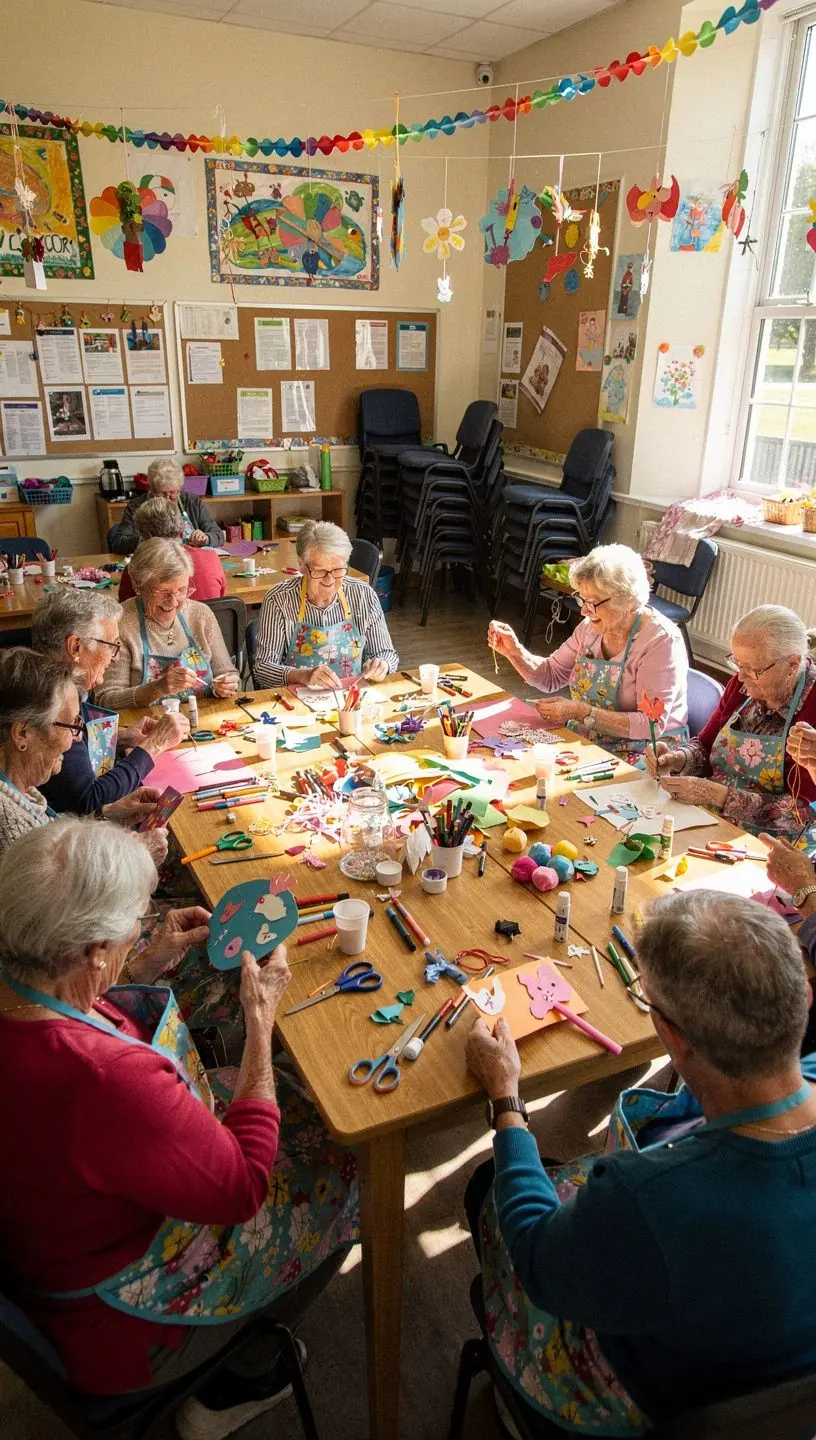
- Engage in social activities: Participating in offline networking events or group activities, such as dance classes, can help combat loneliness and foster connections.
- Practice mindfulness: Mindfulness techniques, such as meditation or yoga, have been shown to reduce anxiety and improve emotional health in older adults.
- Seek professional support: Therapy or counseling can provide a safe space for individuals to explore their feelings and develop coping strategies.
The Role of Physical Activity
Incorporating physical activity, particularly gentle forms like dance, can significantly improve emotional well-being. Studies indicate that regular physical activity can lead to a reduction in symptoms of depression and anxiety among older adults. This is likely because exercise releases endorphins, which are known to boost mood.
Why Dance?
Dancing not only enhances physical fitness but also promotes social interaction, which is crucial for emotional support. Many users report feeling more connected and less isolated after participating in group dance classes. The principle behind this is simple: movement combined with social engagement can enhance overall happiness.
Setting Realistic Expectations
It’s important to recognize that adapting to the emotional aspects of aging requires time and effort. Typically, individuals may start to notice improvement in their emotional well-being within a few weeks of consistent practice. However, it’s crucial to understand that:
- Changes may require ongoing commitment, often involving regular attendance at classes or events.
- Not every approach works for every individual; some may find more benefit in group activities, while others may prefer solitary practices like journaling or meditation.
Conclusion
Navigating the emotional aspects of aging gracefully is a journey that can be supported through community, physical activity, and self-care practices. By understanding these challenges and implementing effective strategies, individuals can enhance their emotional resilience and enjoy a fulfilling life in their later years. Remember, it’s about finding what works best for you and seeking support when needed.
Learn More