How Social Engagement Reduces Loneliness in Aging
As we age, maintaining a rich social life can become increasingly challenging. However, fostering social connections is crucial for reducing feelings of loneliness and promoting overall well-being. This article explores the importance of social engagement for older adults and how it can be achieved through various activities, including dance classes and community events.
Understanding the Importance of Social Connections
Research indicates that social isolation can have serious health implications for older adults, including increased risks of depression and cognitive decline. According to a study published in the journal Psychology and Aging, individuals who engage regularly with their peers tend to report higher levels of happiness and life satisfaction. This is often attributed to the emotional support and companionship that social interactions provide.
"Social engagement is not just about reducing loneliness; it's essential for enhancing mental and physical health in older adults." - Dr. Sarah Mitchell, gerontologist
How Social Engagement Works
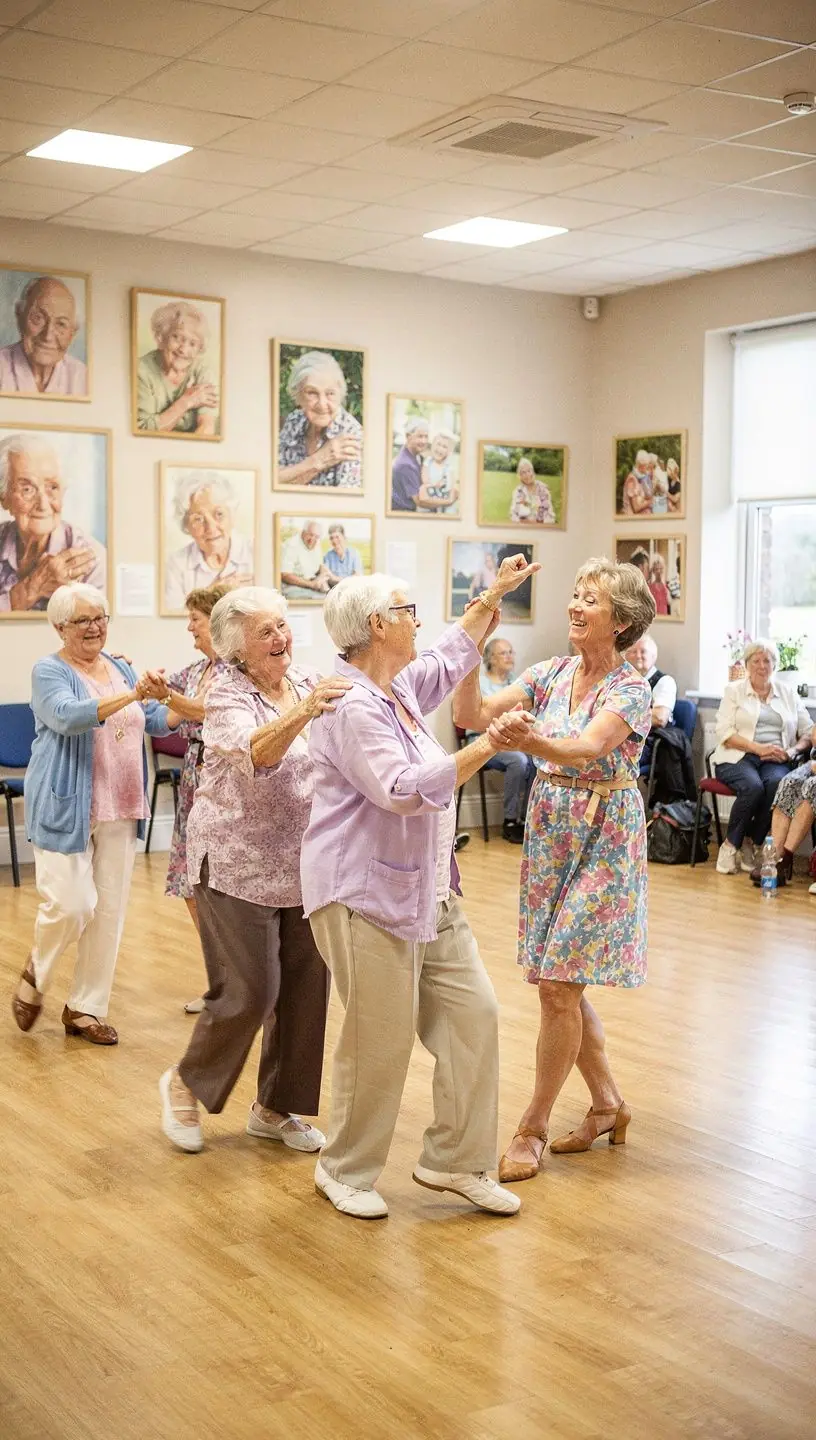
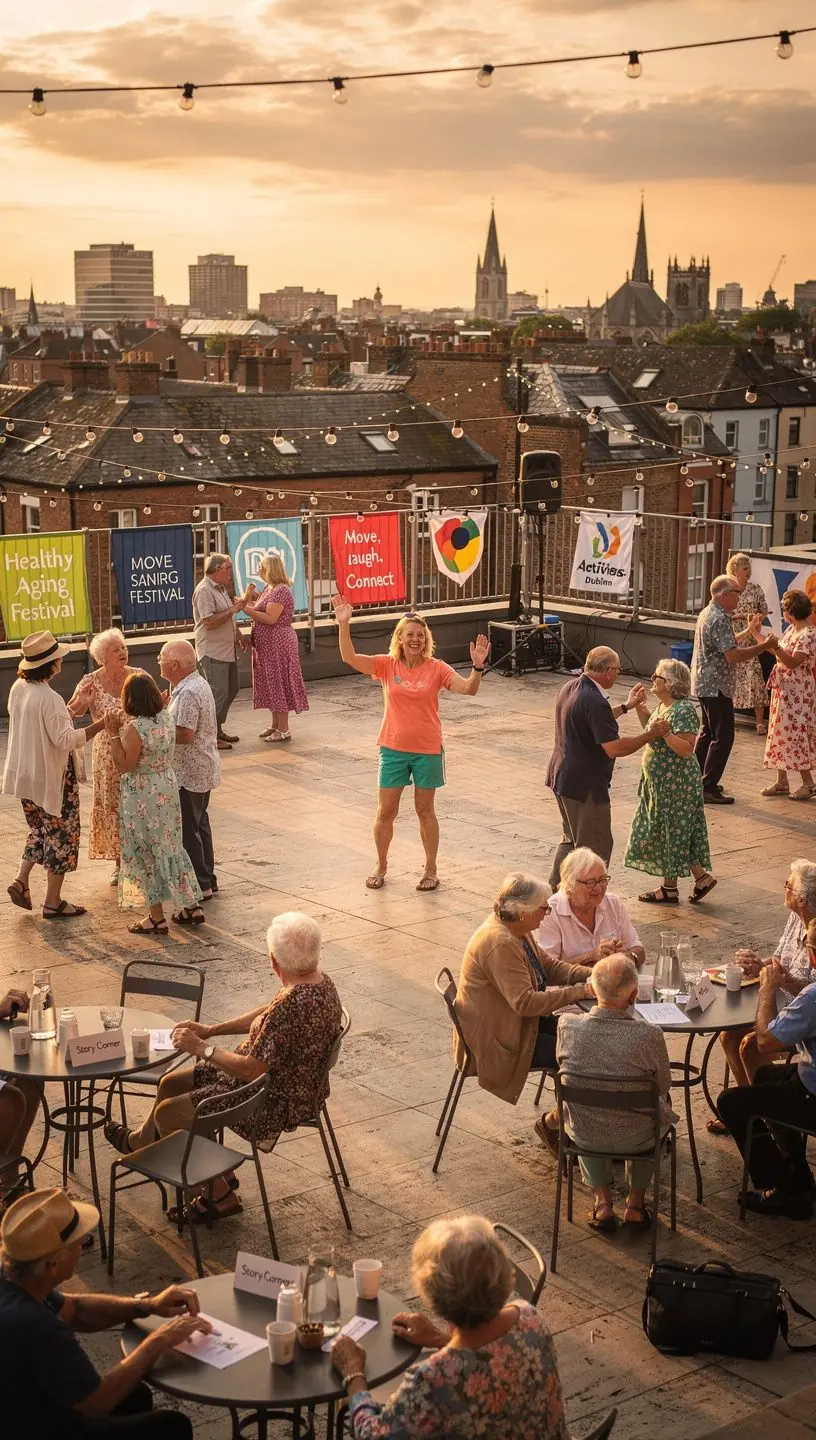
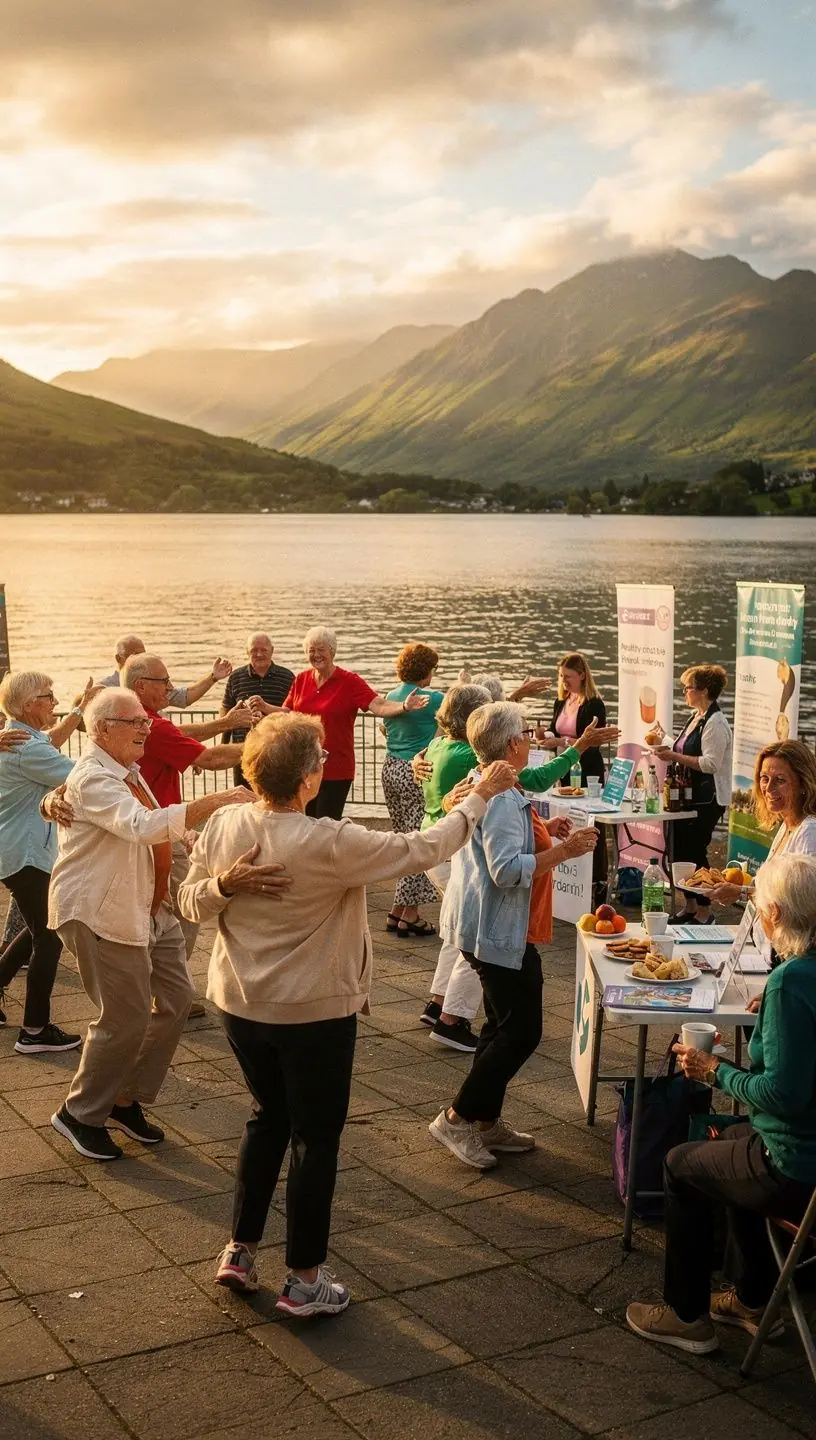
The principle behind social engagement is that meaningful interactions can lead to positive emotional experiences. When older adults participate in social activities, such as group dance classes or community gatherings, they not only meet new people but also reinforce existing relationships. This engagement can stimulate cognitive functions and provide a sense of purpose.
Practical Steps to Enhance Social Engagement
- Join a Dance Class: Many communities offer beginner-friendly dance classes aimed at seniors. This not only encourages physical activity but also provides a social setting where friendships can blossom.
- Participate in Community Events: Look for local gatherings or networking events focused on seniors. These can often lead to new connections and shared interests.
- Utilize Online Platforms: Although face-to-face interactions are vital, leveraging online platforms can help seniors connect with others, especially if mobility is an issue.
Setting Realistic Expectations
Engaging socially is a process that typically requires time and effort. For many, it can take several weeks to build new relationships and feel comfortable in new social environments. It's important to recognize that not every attempt at socializing will lead to a meaningful connection, and that's perfectly normal. Experts suggest starting with small steps, such as attending a single event, and gradually increasing involvement as comfort levels rise.
Conclusion
In conclusion, fostering social connections is essential for reducing loneliness and enhancing quality of life in older adults. Engaging in activities like dance classes and community events can provide opportunities for meaningful interactions. By taking small, manageable steps toward social engagement, older adults can experience significant benefits to their mental and emotional well-being. Remember, it's never too late to start building connections that can enrich your life.