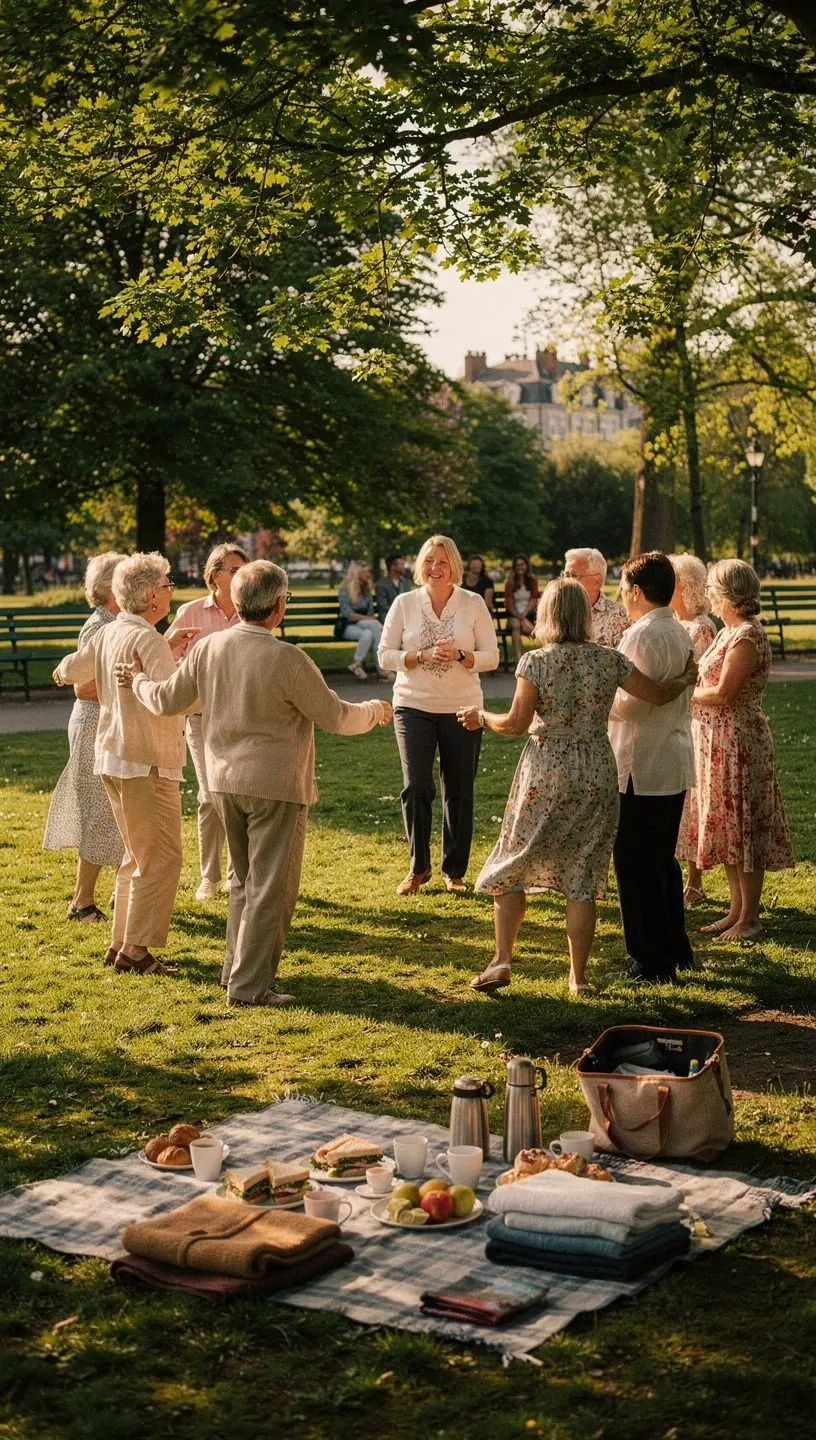
Incorporating Mindfulness in Dance and Movement
As we journey through life, the importance of mindfulness becomes increasingly evident, especially as we adapt to the challenges of aging. Integrating mindfulness into dance and movement can not only enhance our physical health but also contribute to our emotional well-being. This article explores how mindfulness can be seamlessly incorporated into dance practice, offering insights that are accessible to all, regardless of skill level.
Understanding Mindfulness in Movement
Mindfulness, as defined by psychologists, is the process of being actively engaged in the present moment while acknowledging and accepting one’s feelings, thoughts, and bodily sensations. According to research published in the Journal of Health Psychology, mindfulness can significantly improve mental and physical health by reducing stress and enhancing overall life satisfaction. When it comes to dance, incorporating mindfulness means focusing on each movement, breath, and sensation, which can lead to a more enriching experience.
"Studies indicate that mindful movement can lead to better emotional regulation and enhanced physical coordination."
The Benefits of Mindful Dance
Incorporating mindfulness into dance and movement offers several benefits:
- Improved Focus: Engaging fully in the dance can heighten concentration, making movements more precise and fluid.
- Enhanced Emotional Well-being: Many users report feeling more connected to themselves and their emotions, which can lead to greater happiness.
- Physical Benefits: Mindful movement can improve flexibility and coordination, which are essential for maintaining mobility as we age.
Practical Steps to Incorporate Mindfulness in Dance
To effectively incorporate mindfulness into your dance routine, consider these practical steps:
- Start with Awareness: Before beginning your dance practice, take a moment to close your eyes and focus on your breath. This sets a mindful tone for your session.
- Move Slowly: Dance at a pace that allows you to fully experience each movement. This deliberate pace encourages mindfulness and enhances the connection between mind and body.
- Pay Attention to Sensations: As you dance, focus on how your body feels with each movement. Notice the tension in your muscles and the rhythm of your breath.
- Reflect After Dancing: After your session, spend a few moments reflecting on your experience. What did you feel? How did your body respond? This reflection deepens your mindfulness practice.
Setting Realistic Expectations
Incorporating mindfulness into your dance routine typically takes time and dedication. Many practitioners find that noticeable benefits appear within a few weeks of consistent practice, though individual experiences may vary. It's important to remember that this process is not about perfection; rather, it’s about enjoying the journey and being present in the moment.
Conclusion
Integrating mindfulness into dance and movement is an effective approach that can enhance both physical and emotional well-being. By focusing on the present moment and appreciating the sensations of movement, dancers can cultivate a deeper connection to their bodies and emotions. As you engage in this practice, remember to be patient with yourself and enjoy the process of discovery. Whether you are a beginner or an experienced dancer, mindfulness can transform your dance experience into a joyful celebration of movement.
Learn More