Understanding the Impact of Dance on Aging Well
As we age, maintaining physical and mental health becomes increasingly important. Engaging in activities like dance not only provides physical benefits but also fosters social connections and emotional well-being. This article explores how dance can positively influence the aging process, particularly in the context of jelora-to-aging coaching.
The Physical Benefits of Dance
Research indicates that regular physical activity, such as dance, can significantly enhance mobility and strength in older adults. A study published in the Journal of Aging and Physical Activity found that older adults who participated in dance classes showed improvements in balance and coordination compared to those who did not engage in similar activities. This is crucial because maintaining balance can help reduce the risk of falls, a common concern for the elderly.
Enhancing Cognitive Function
Moreover, dance has been recognized for its cognitive benefits. According to a study conducted by the University of California, Los Angeles (UCLA), learning new dance routines can stimulate the brain and improve memory, which is particularly important as we age. The process of memorizing steps and routines involves various cognitive functions, which can potentially slow down cognitive decline often associated with aging.
"Engaging in dance not only enhances physical capabilities but also stimulates brain function, making it a holistic approach to aging well." - Dr. Sarah Thompson, Geriatric Specialist
Social Interaction and Emotional Well-being
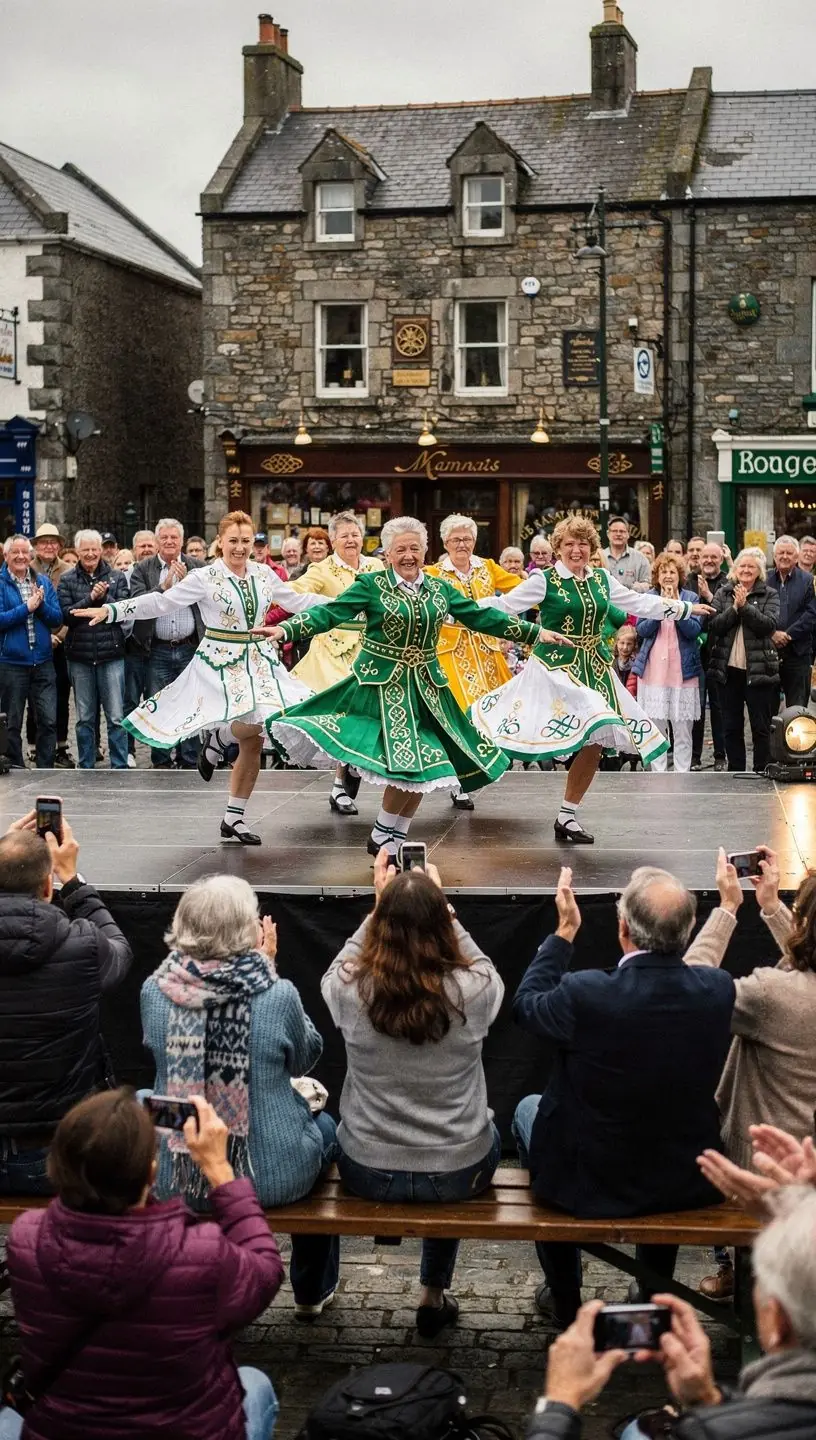
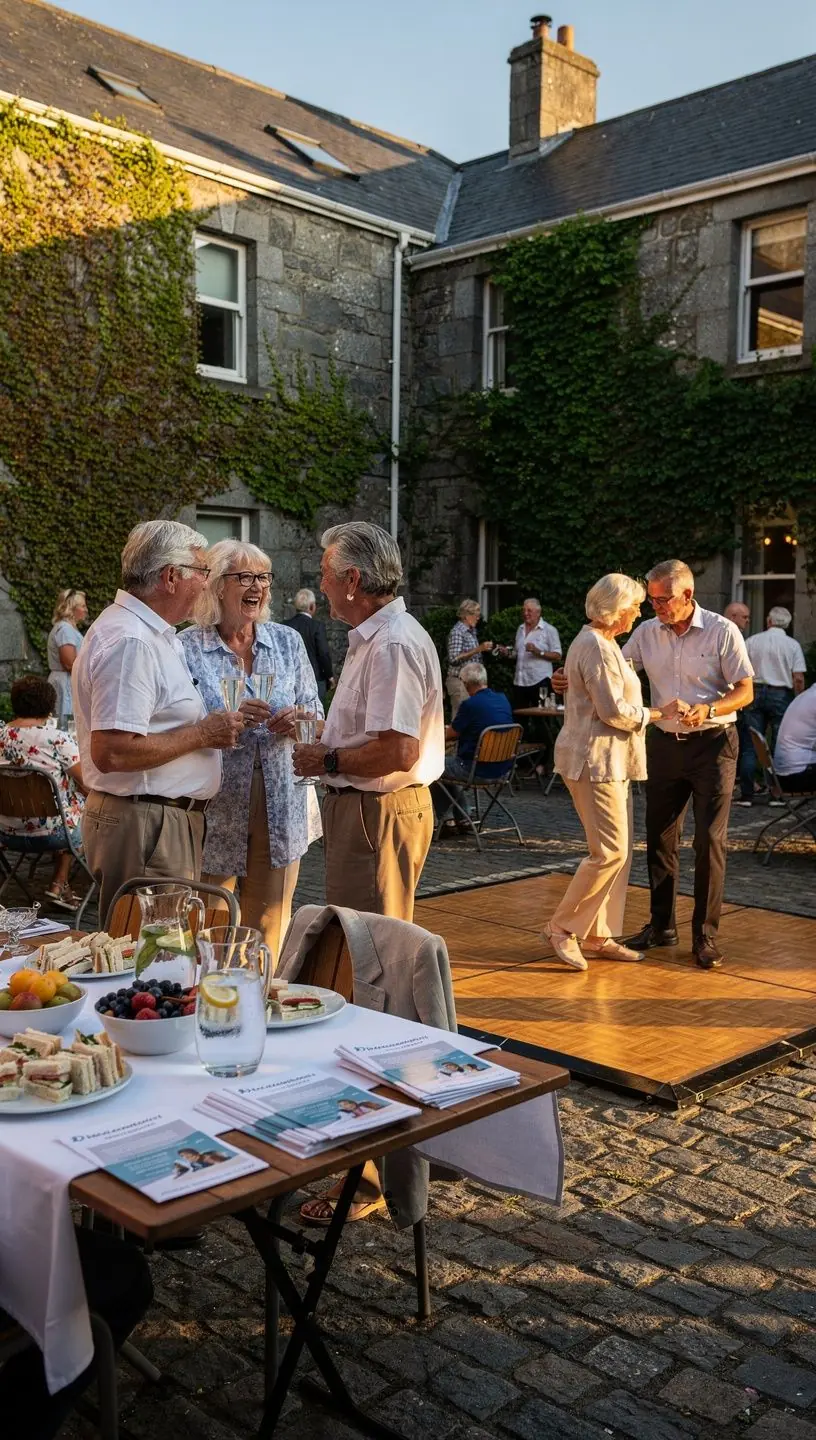
Dance classes often provide a social environment that encourages interaction, which is beneficial for mental health. Experts recommend that social engagement is vital for emotional well-being, particularly in older adults who may experience isolation. Participating in dance not only builds confidence but also fosters connections with others, providing emotional support and reducing feelings of loneliness.
Practical Application of Dance for Aging
- Join a Local Dance Class: Many community centers offer beginner-friendly dance classes tailored for older adults, typically requiring a commitment of one to two hours per week.
- Practice Regularly: To reap the cognitive and physical benefits, individuals should engage in dance activities multiple times a week, with many users reporting improvements after a few months.
- Embrace Social Opportunities: Attend local events or workshops that incorporate dance, as these gatherings can foster community connections and enhance the overall experience.
Acknowledging Limitations
While dance can greatly benefit many aspects of aging, it is important to acknowledge that it may not be suitable for everyone. Individuals with certain health conditions or physical limitations should consult healthcare professionals before starting any new exercise regimen. Additionally, the learning curve associated with dance may require patience and dedication, especially for those unaccustomed to physical activity.
Conclusion
In summary, incorporating dance into one’s routine can provide numerous benefits that contribute to aging well. From physical enhancements to cognitive stimulation and emotional support, dance offers a multifaceted approach to maintaining health and happiness as we age. By actively participating in dance classes and engaging with others, individuals can enjoy a richer, more fulfilling life. Remember to consult with professionals if you have any concerns or specific health conditions before beginning your dance journey.
Learn More