Networking Strategies for Older Adults in Local Communities
Building a network can significantly enhance the quality of life for older adults. This article provides practical strategies that can help older individuals create connections within their local communities, fostering a supportive and engaging environment.
Understanding the Importance of Networking
Networking can be particularly beneficial for older adults, as it promotes social engagement and can lead to improved mental well-being. According to studies, maintaining social connections can reduce feelings of loneliness and depression, which are common in later life.
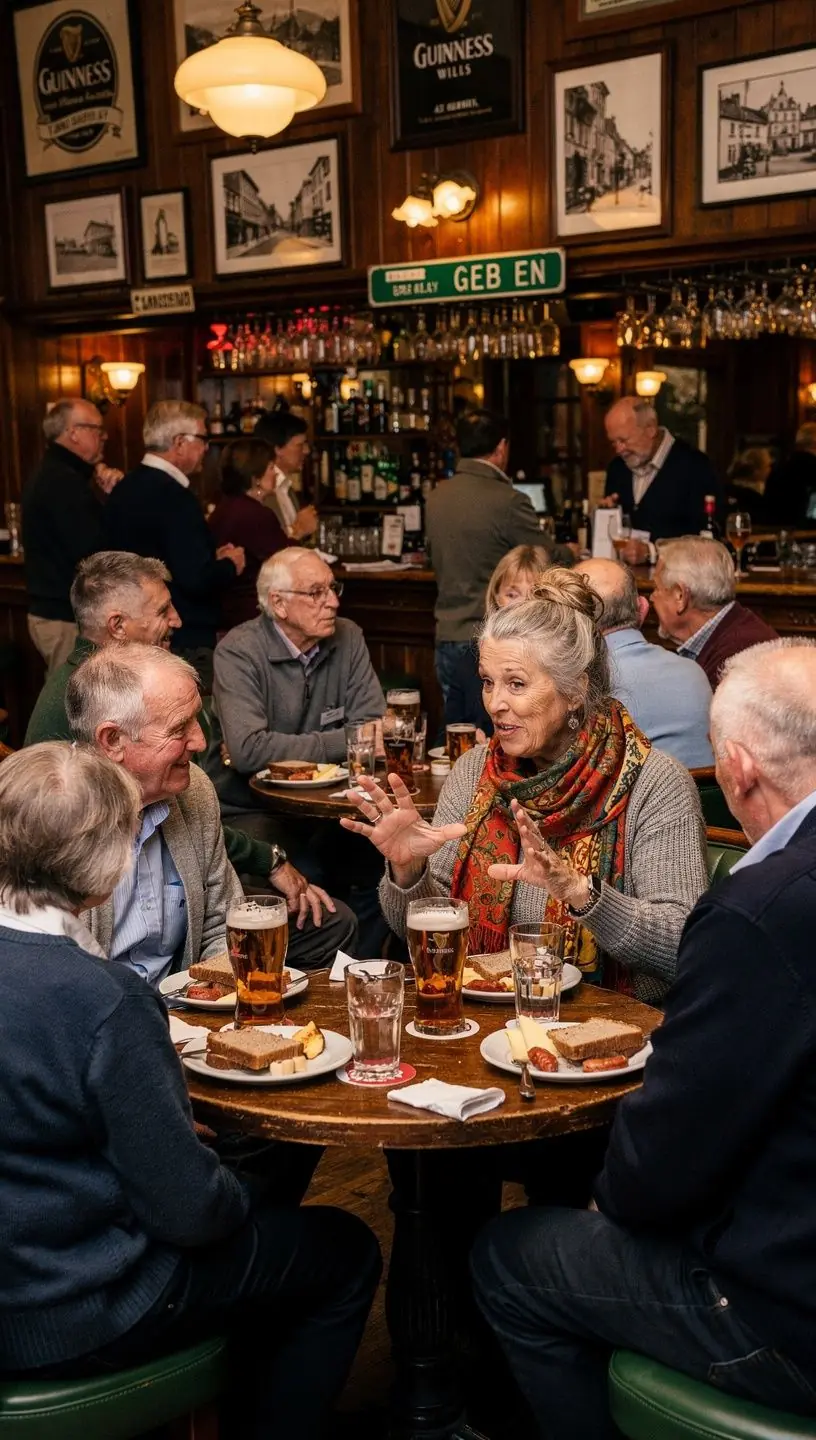
"Social engagement is crucial for cognitive health; older adults who are socially active tend to have better cognitive function." - Experts in gerontology
Key Networking Strategies
Here are several effective strategies for building a local network:
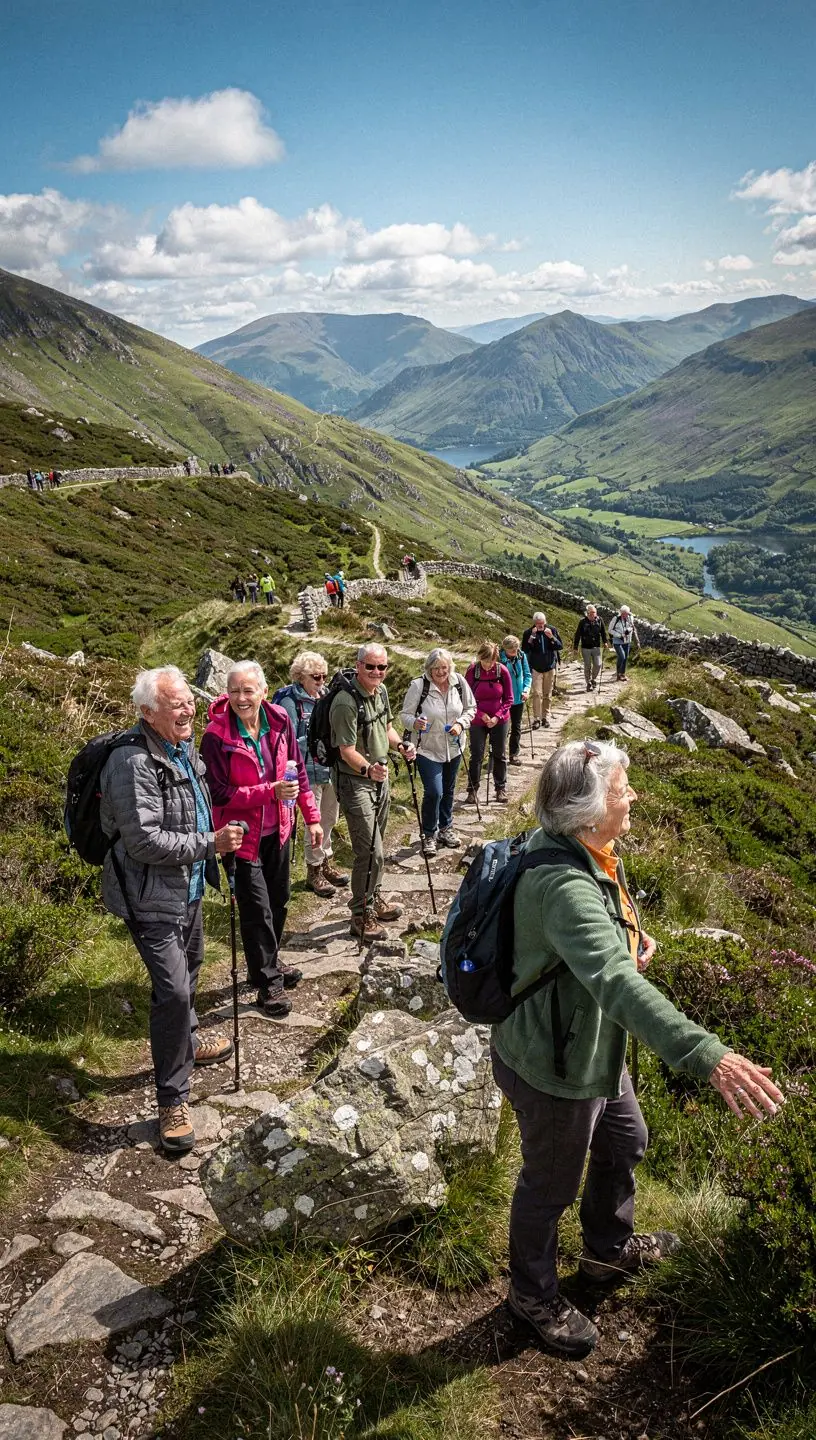
- Join Local Clubs and Organizations: Many communities offer clubs tailored for specific interests. Participating in these groups can help you meet like-minded individuals. Studies show that engaging in shared activities often leads to stronger bonds among participants.
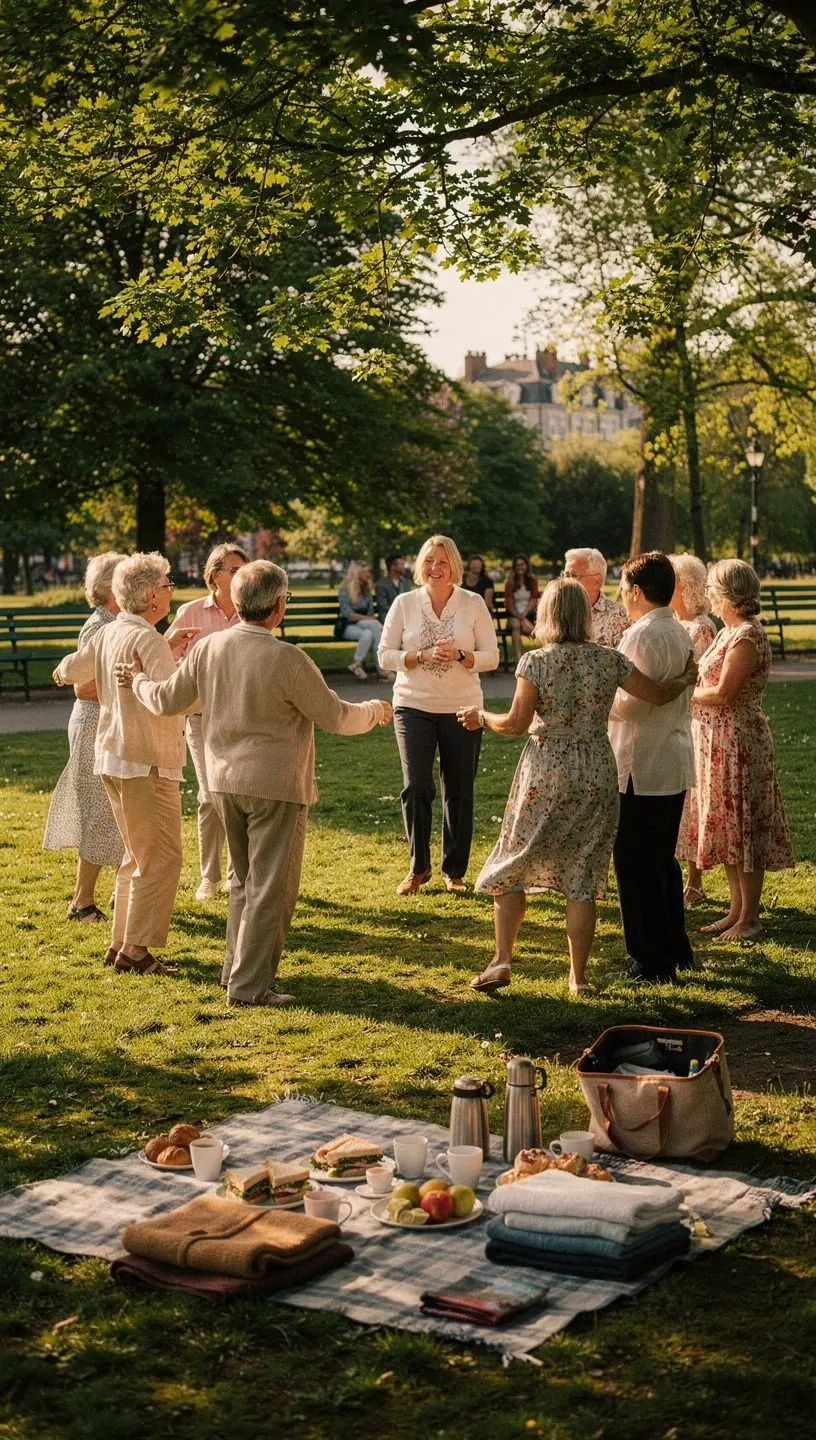
- Attend Community Events: Local events, such as fairs or workshops, provide excellent opportunities for networking. Experts recommend attending these events regularly to maximize your exposure to potential connections.
- Participate in Classes or Workshops: Enrolling in classes, whether it's a dance class or a cooking workshop, can introduce you to new people while learning something new. Research indicates that learning environments foster social interaction.
Utilizing Online Resources
While face-to-face interactions are vital, online platforms can also enhance your networking efforts:
- Social Media Groups: Many platforms host groups focused on local interests. Joining these groups can be a way to connect with others and stay informed about local happenings.
- Event Platforms: Websites like Eventbrite frequently list local events. Regularly checking these sites can help you discover new opportunities.
- Online Forums: Participating in forums targeted at older adults can provide support and insights into connecting with others in your area.
Setting Realistic Expectations
Networking does take time and effort. It's important to recognize that building relationships typically requires consistent engagement. For many, it may take several months to establish meaningful connections. Commitment to regular participation in activities and events is essential.
This journey involves stepping out of your comfort zone, which may not be ideal if you're not prepared for social interactions. However, many users report that as they become more familiar with their surroundings and fellow participants, they find the process increasingly rewarding.
Conclusion
Networking can significantly enrich the lives of older adults by fostering connections and promoting emotional well-being. By actively engaging in local activities and utilizing online resources, older individuals can build a supportive network in their communities. Remember to be patient with yourself; meaningful relationships take time to develop, but the benefits can be profound.
Learn More