Building Confidence Through Beginner Dance Classes
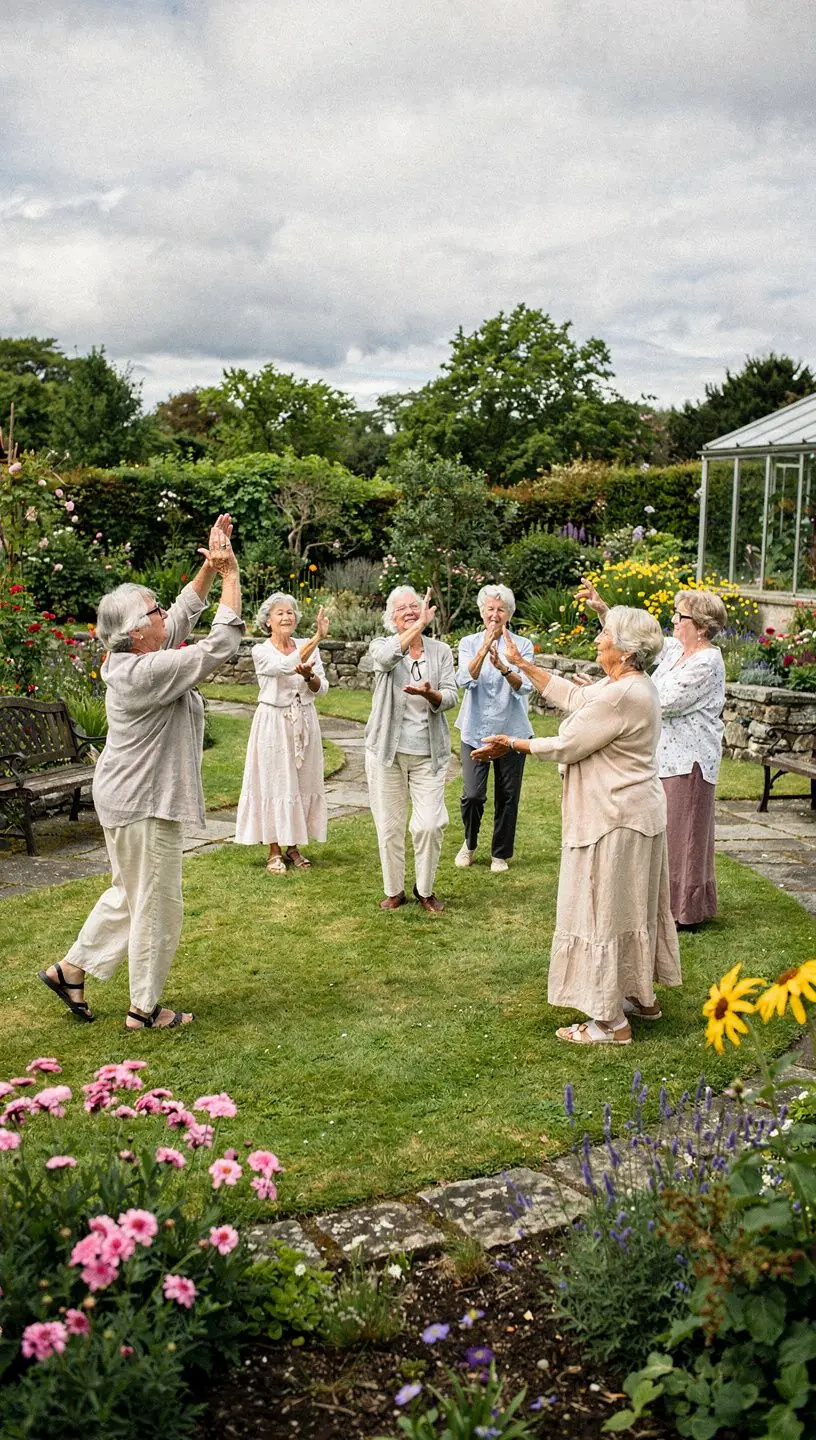
Dance is often seen as an art form reserved for the young and agile, but beginner dance classes can be an effective way for older adults to build confidence, enhance social skills, and promote overall well-being. This article explores how engaging in dance can foster a sense of self-assurance and community, particularly as we adapt to the challenges of aging.
Understanding the Benefits of Dance for Confidence
Dancing is not just a physical activity; it is a holistic experience that engages the mind, body, and spirit. According to research published in the Journal of Aging and Physical Activity, participation in dance can significantly improve self-esteem and body image among older adults. This increase in confidence often stems from the ability to express oneself creatively while connecting with others.
"Dance is a powerful form of expression that can help individuals redefine their self-image." - Dr. Linda Roberts, gerontologist
How Dance Classes Foster Social Connections
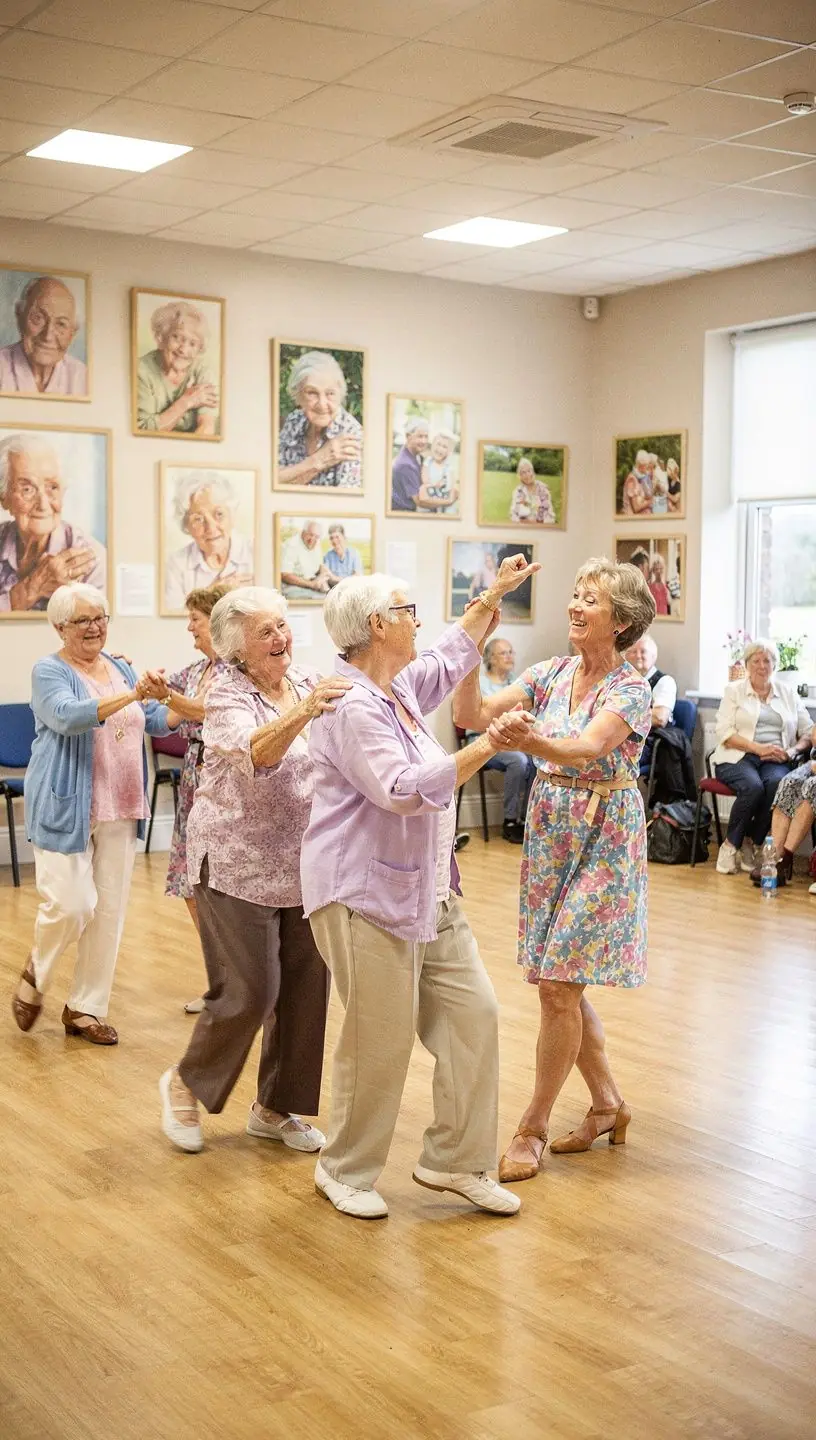
Many users report that beginner dance classes serve as a platform for meeting new people and building friendships. Experts recommend engaging in social activities, especially as we age, as isolation can lead to feelings of loneliness and depression. Group dance classes typically feature:
- Structured Environment: Classes are often designed to encourage interaction, making it easier for participants to connect.
- Shared Learning Experience: Everyone starts as a beginner, which creates a supportive atmosphere where individuals can learn at their own pace.
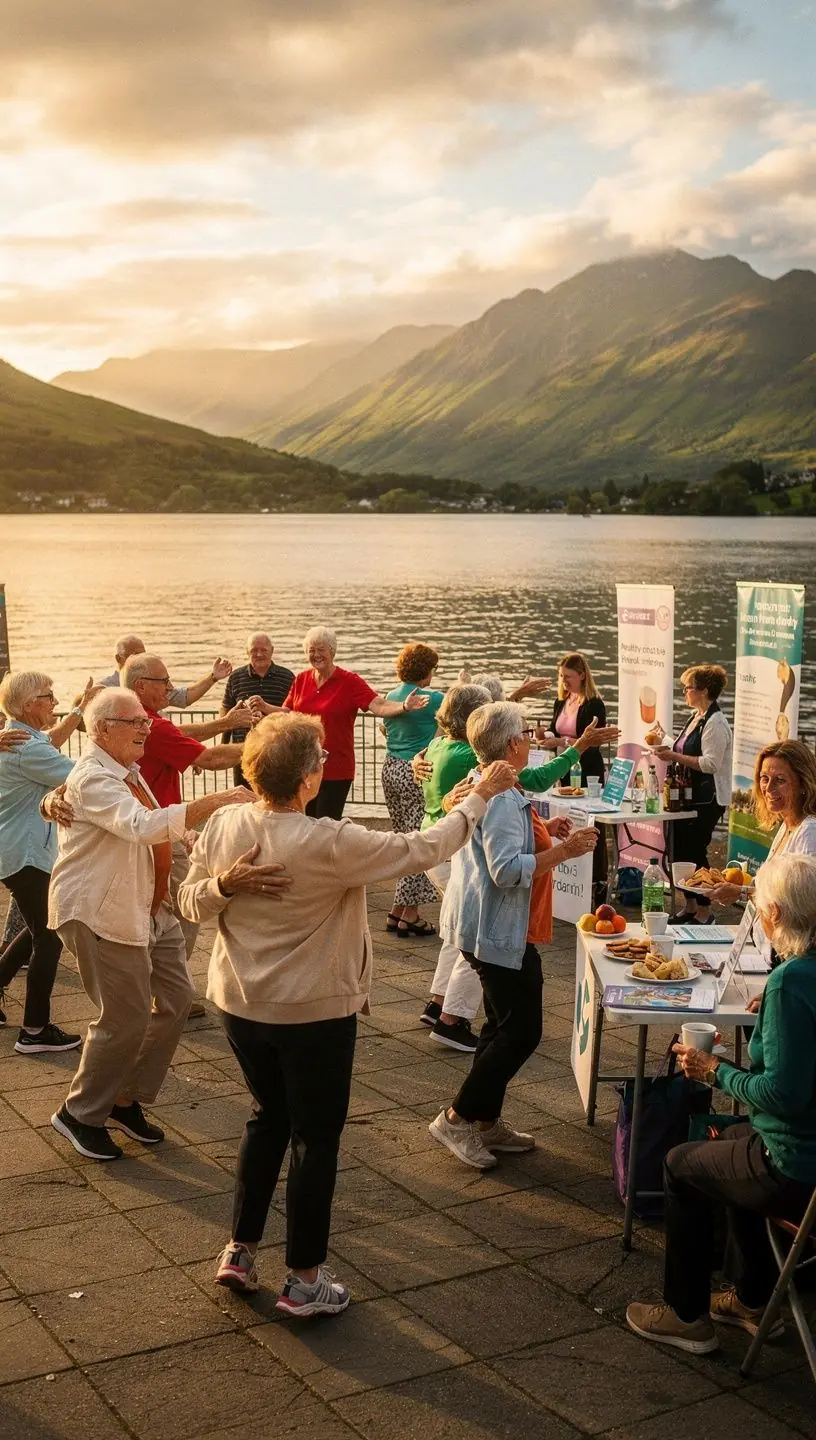
- Community Events: Many dance programs host offline networking events, allowing participants to socialize outside of the studio, further strengthening relationships.
The Process of Learning Dance
Engaging in dance requires commitment and practice; typically, it takes 4-6 weeks for participants to feel comfortable with basic movements. The process often involves:
- Initial Assessment: Instructors usually begin by assessing each participant's comfort level and prior experience to tailor the classes accordingly.
- Progressive Learning: Dance classes are structured to gradually introduce new steps and techniques, ensuring that participants are not overwhelmed.
- Encouragement and Feedback: Instructors often provide constructive feedback, focusing on positive reinforcement to boost confidence.
It's important to note that while dance can be a valuable confidence-building tool, it may not be suitable for everyone. Individuals with certain mobility issues should consult their healthcare provider before starting any new physical activity. Understanding personal limitations and working within them can facilitate a more enjoyable experience.
Conclusion
In summary, beginner dance classes offer a reliable avenue for older adults to build confidence and foster connections in a welcoming environment. By participating regularly and embracing the learning process, individuals can experience significant social and emotional benefits. While results may vary based on individual effort and commitment, many find that the joy of dance enhances their quality of life as they adapt to the evolving challenges of aging.
Learn More