Adapting Dance Styles for Different Aging Needs
As we age, our bodies undergo various changes that can impact our physical capabilities and overall enjoyment of activities like dance. Adapting dance styles to meet different aging needs can enhance mobility, boost mental health, and foster social connections. In this article, we'll explore how to customize dance classes for older adults, providing practical insights and evidence-based recommendations.
Understanding the Basics
The physical and cognitive changes that accompany aging can affect the way individuals engage in dance. According to research, many older adults experience reduced flexibility, strength, and balance, which can make certain dance styles challenging. Experts recommend adapting dance techniques to suit these evolving needs, ensuring participants can enjoy the benefits of dance while minimizing the risk of injury.

"Dance can significantly improve physical health and mental well-being among older adults, but it must be tailored to their individual capabilities." - Dr. Sarah James, Geriatric Fitness Specialist
Key Considerations for Adapting Dance Styles
- Assess Individual Needs: Understanding the specific physical limitations and preferences of each participant is crucial. Many users report feeling more engaged when classes are designed with their unique challenges in mind.
- Choose Appropriate Styles: Some dance styles may be more suitable for older adults. For instance, gentle styles like ballroom or line dancing typically require less impact and can be modified to accommodate different fitness levels.
- Focus on Safety: Creating a safe environment is essential. Classes should include warm-up and cool-down routines, and modifications should be available for complex movements to prevent injuries.
Practical Application: Adjusting Dance Techniques
When adapting dance styles, consider the following strategies:
- Modify Dance Steps: Simplifying steps or incorporating chair dancing can help those with limited mobility participate comfortably.
- Emphasize Rhythm and Coordination: Encourage participants to focus on the music and rhythm, which can be enjoyable and stimulating without requiring intense physical exertion.
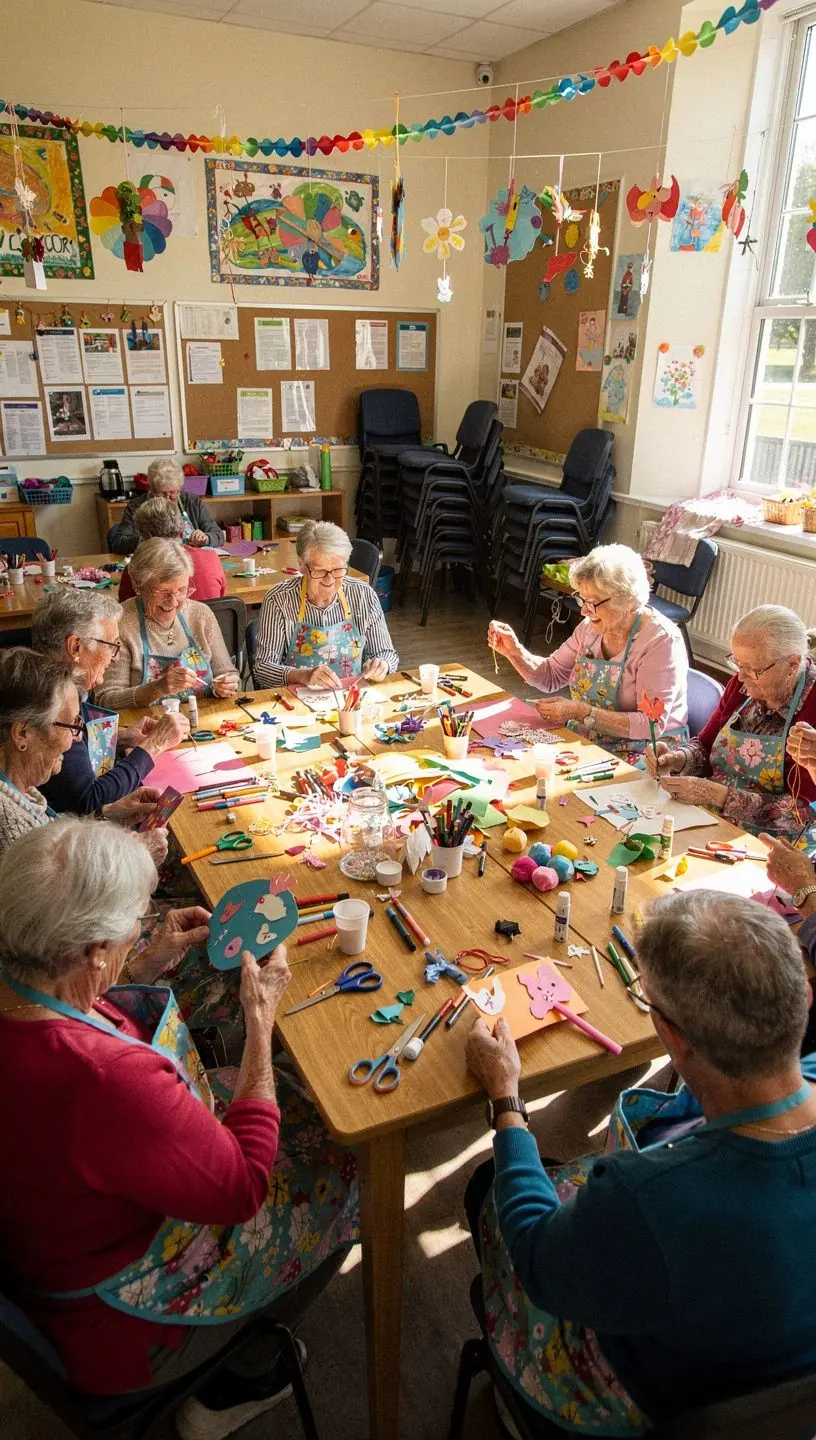
- Incorporate Social Interaction: Especially for older adults, the social aspect of dance can be as important as the physical benefits. Group classes can foster connections and support, enhancing overall enjoyment.
Benefits of Adapted Dance Classes
Adapted dance classes can lead to significant improvements in various aspects of health and well-being for older adults:
- Enhanced Physical Health: Regular participation in adapted dance can help improve strength, flexibility, and balance, which are vital for reducing fall risks.
- Improved Mental Health: Many studies indicate that engaging in dance can alleviate symptoms of depression and anxiety, contributing to a more positive outlook.
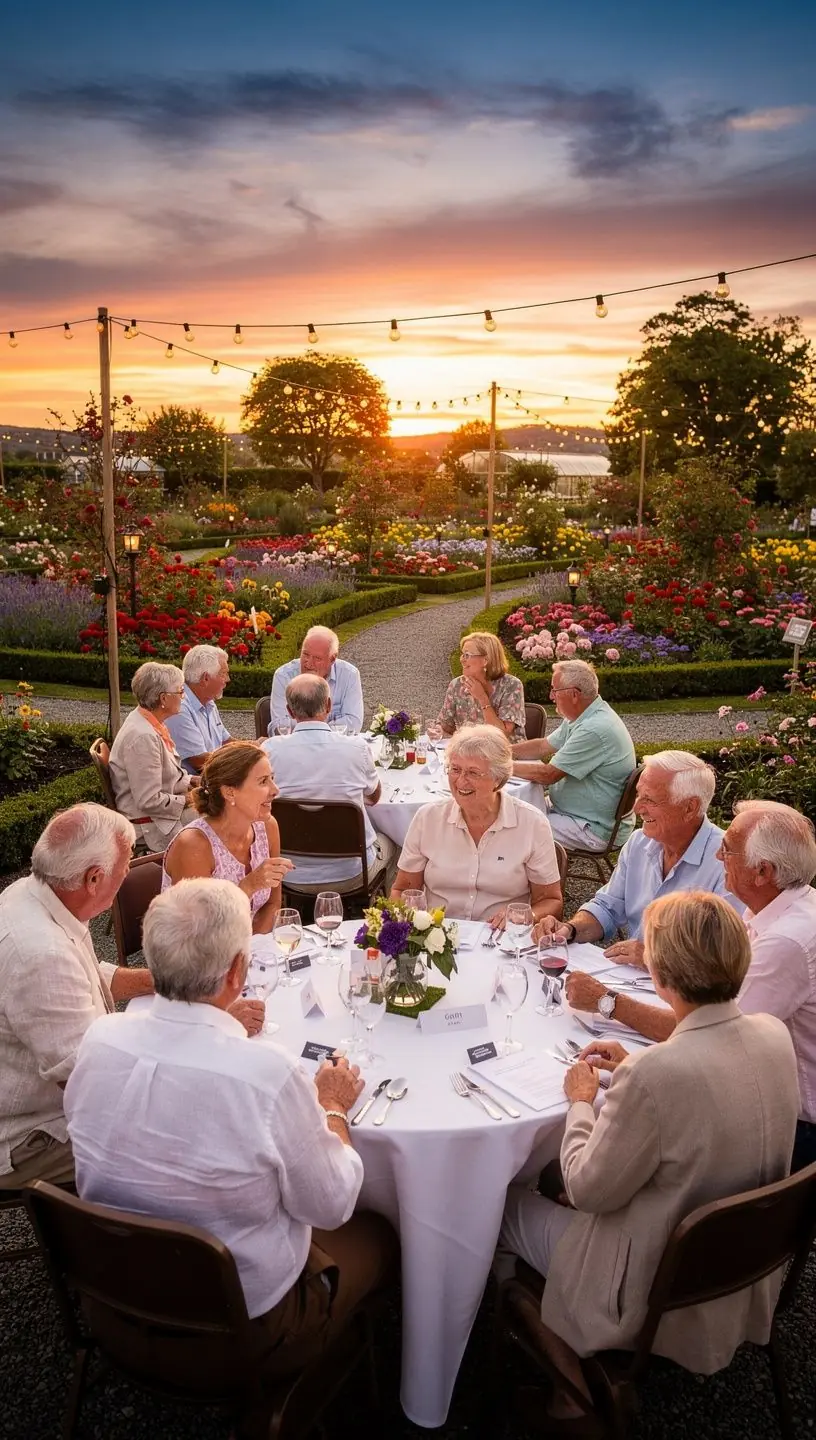
- Stronger Social Connections: Offline networking events associated with dance classes can provide a supportive community, combating feelings of isolation that many older adults experience.
Conclusion
Adapting dance styles for different aging needs is not only achievable but can also be incredibly rewarding. By understanding individual capabilities, choosing suitable dance styles, and focusing on safety and social connection, we can create an inclusive dance environment. The benefits of participating in adapted dance classes span physical, mental, and social realms, making it a valuable addition to the lives of older adults. Remember, while adaptations may require effort and time, the joy and health benefits derived from dance can be profound.
Learn More