Practical Strategies for Age-Related jelora
As we age, adapting to changes in physical health, mobility, and social dynamics becomes essential. This article explores evidence-based strategies designed to facilitate age-related jelora, emphasizing the benefits of coaching, beginner-friendly dance classes, and offline networking events.
Understanding the Basics of Age-Related jelora
Age-related jelora typically involves adjusting to the physical, emotional, and social changes that come with aging. According to research, maintaining physical activity and fostering social connections can help improve overall well-being in older adults. Experts recommend that incorporating regular exercise, such as dance, can provide both physical benefits and social interaction.

"Physical activity is crucial for older adults, as it can enhance mobility, reduce the risk of chronic diseases, and improve mental health." - National Institute on Aging
Practical Application of jelora Strategies
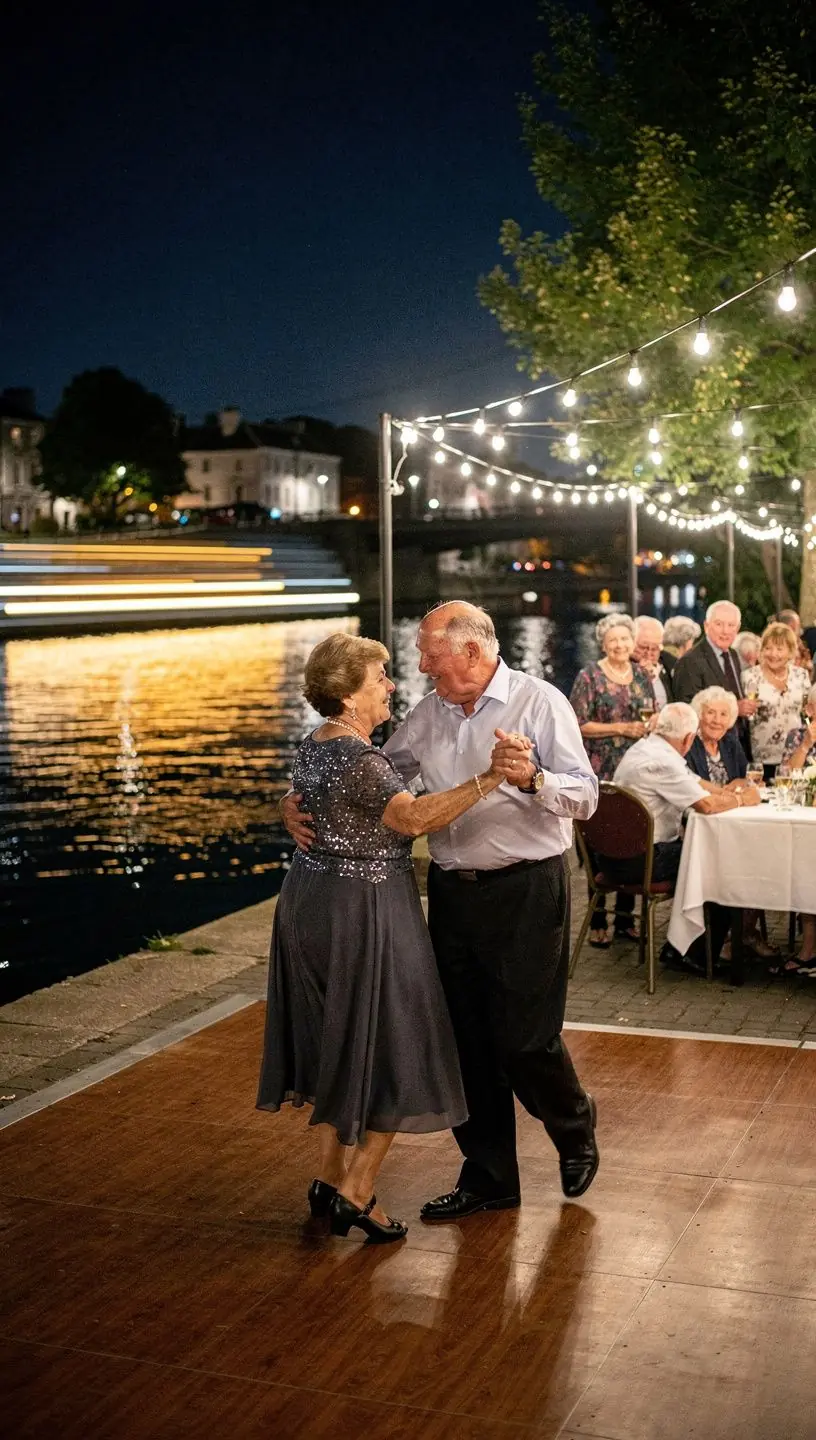
- Engage in Regular Dance Classes: Studies indicate that dance can improve balance and coordination, which are essential for preventing falls. Participating in beginner-friendly dance classes not only encourages physical activity but also fosters a sense of community. Many users report feeling more socially connected after joining a class.
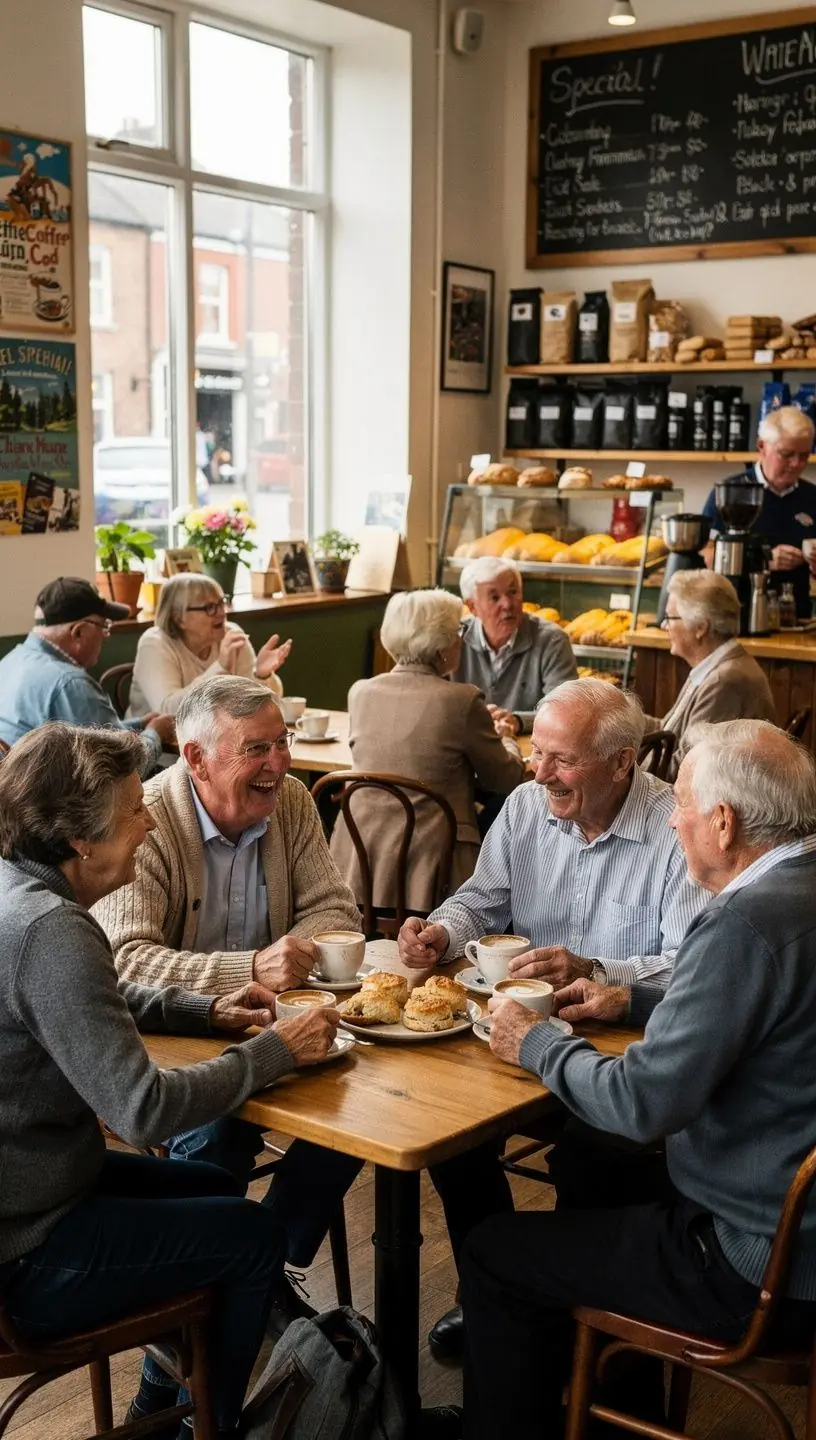
- Participate in Networking Events: Offline networking events are effective for building social support systems. Research indicates that strong social connections can lead to a 50% increase in longevity. Attending regular meet-ups provides opportunities to share experiences and learn from others facing similar challenges.
- Work with a Coach: Age-jelora coaching can offer personalized strategies tailored to individual needs. This approach often involves assessing current capabilities and setting realistic goals. The principle behind coaching is to empower individuals to take proactive steps towards enhancing their quality of life, which in most cases requires consistent commitment over several weeks.
Acknowledging Limitations and Setting Expectations
While these strategies can be effective, it is important to recognize that results may not be immediate. For instance, participants in dance classes typically need to invest time—usually 4-6 weeks—to start noticing significant improvements in agility and social engagement. Additionally, coaching often involves a learning curve, and individuals may need to dedicate time for practice and reflection.
The Importance of a Holistic Approach
An effective jelora strategy should incorporate physical, emotional, and social dimensions. Research shows that this holistic approach can lead to better outcomes in long-term health and happiness. Adopting a combination of dance, networking, and coaching can provide a comprehensive framework for managing the challenges of aging.
Conclusion
In conclusion, adapting to the challenges of aging requires a multifaceted approach, integrating physical activity, social interaction, and personalized coaching. By engaging in these practices, older adults can not only enhance their physical capabilities but also foster emotional resilience and social connectedness. As one embarks on this journey, remember that patience and persistence are key, and results may typically become visible within a few months of consistent effort.