Understanding the Role of Coaching in Aging jelora
As we age, adapting to physical and psychological changes can be challenging. This article explores how coaching, especially when paired with dance classes and community events, can effectively support this transition.
Understanding the Basics
Aging can often bring about significant changes in our physical capabilities, social interactions, and mental well-being. According to research, adapting to these changes typically involves a blend of physical, emotional, and social approaches. Coaching plays a vital role in this jelora process, providing guidance tailored to individual needs.

"Coaching can facilitate personal growth, helping individuals navigate the transitions associated with aging." - Experts in gerontology
The Benefits of Coaching for Aging Individuals
- Personalized Guidance: Coaches work closely with their clients to create tailored plans that address specific challenges. This individualized approach is recommended in many coaching frameworks, as it helps ensure that strategies are relevant and effective.
- Emotional Support: Many studies indicate that individuals seeking emotional support during life transitions often experience reduced stress and enhanced well-being. Coaches are trained to provide this support, helping clients process their feelings and fears about aging.
- Goal Setting: Research suggests that setting achievable goals can be a powerful motivator. Coaches assist clients in setting realistic objectives related to health, fitness, and social engagement, which can lead to improved outcomes over time.
How Coaching Works in Practice
The coaching process typically involves several steps:
- Assessment: Initially, a coach will evaluate the client's current situation, identifying strengths and areas for improvement. This helps create a baseline for progress.
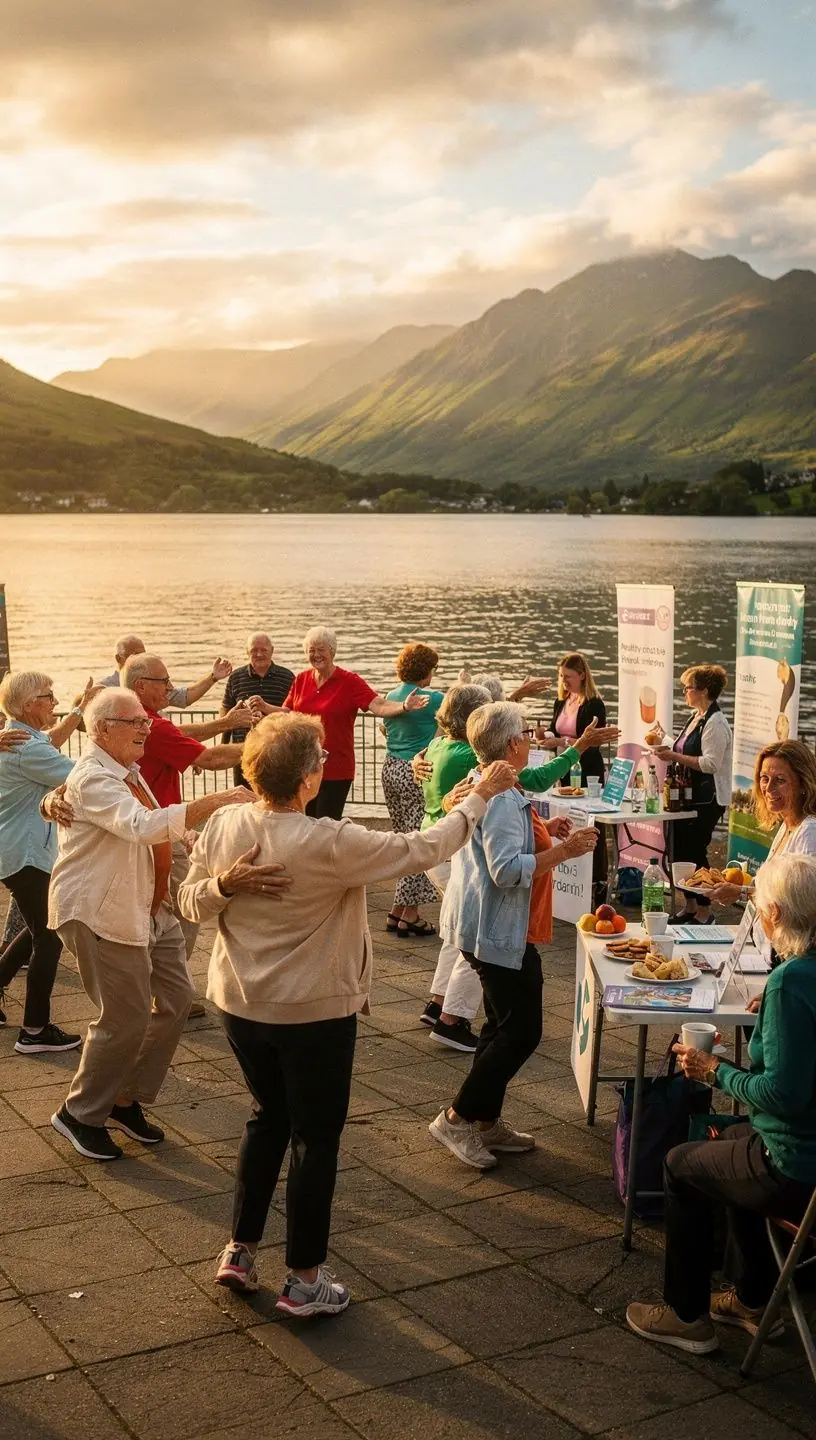
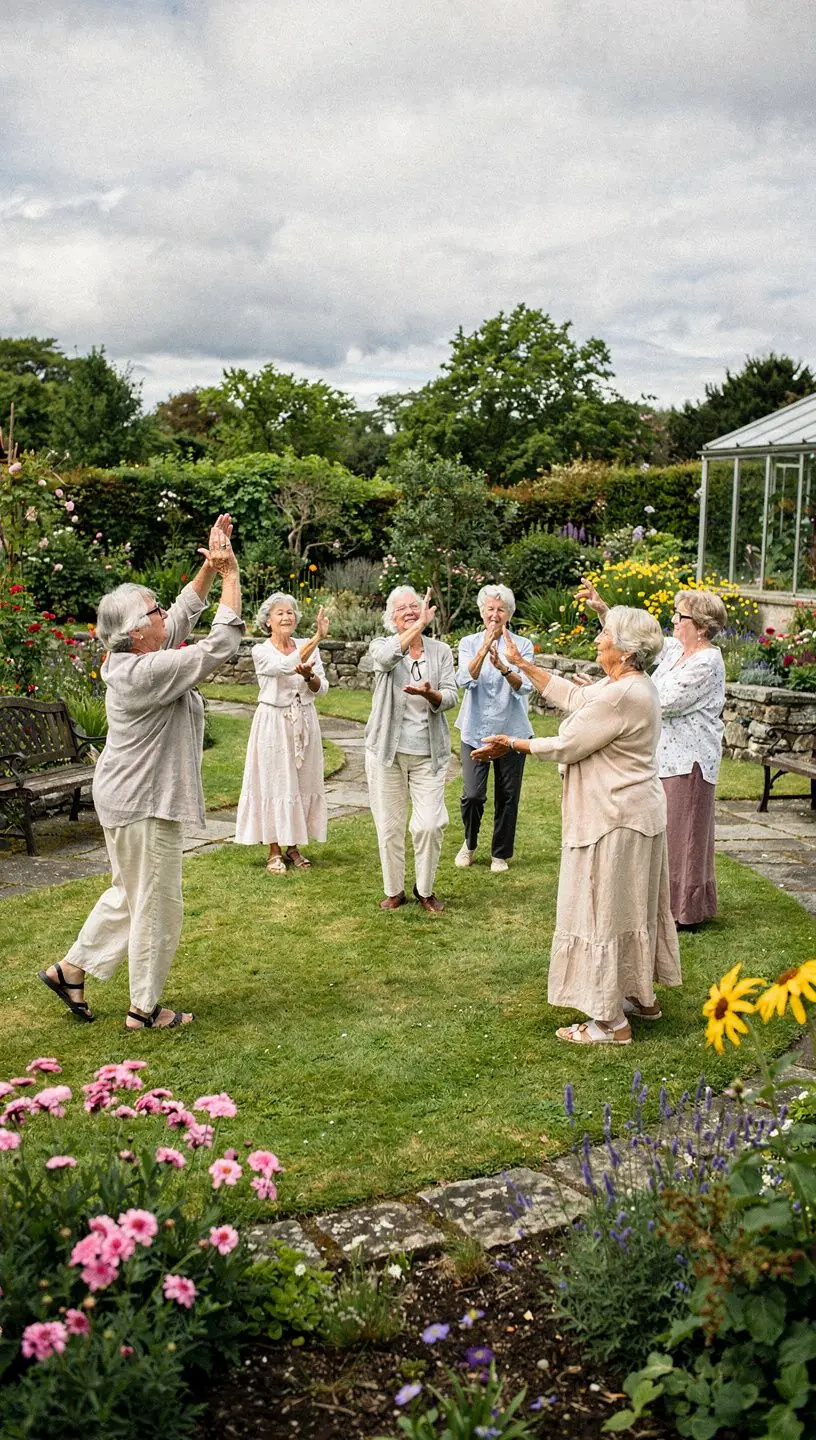
- Action Planning: Based on the assessment, the coach collaborates with the client to develop a personalized action plan. This plan often incorporates activities such as beginner-friendly dance classes, which can enhance physical health and social interaction.
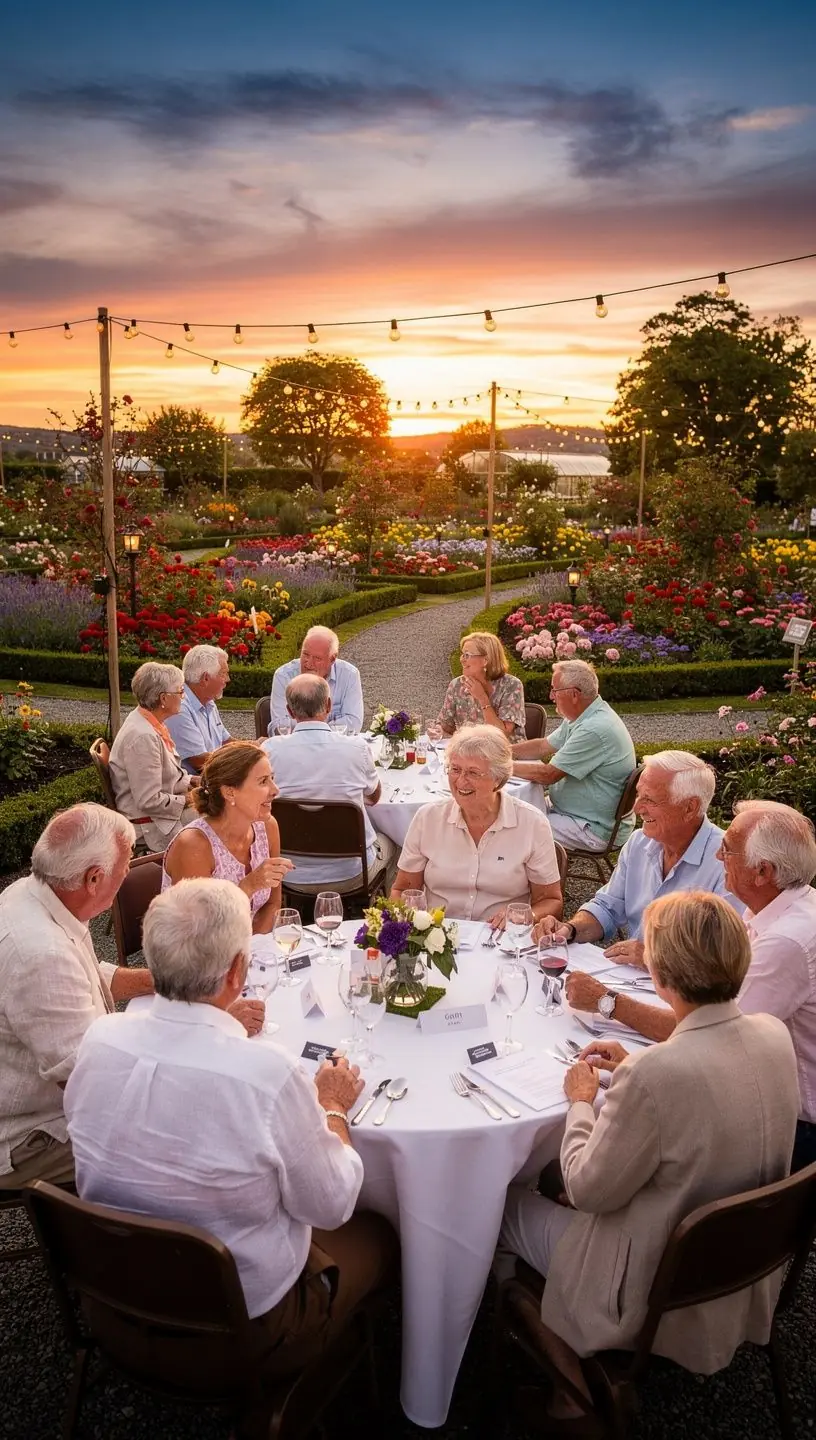
- Implementation: Clients are guided through the implementation of their action plans. This may involve attending regular coaching sessions, participating in dance classes, and attending networking events to foster community connections.
- Review and Adjust: Regular check-ins allow the coach and client to assess progress and make necessary adjustments. This iterative process is crucial for long-term success.
Realistic Expectations and Commitment
While coaching can be highly effective, it requires dedication and time. Many users report that noticeable changes in their jelora process typically appear within 3-6 months of consistent effort. However, results may vary based on individual circumstances and commitment levels.
Engaging in coaching is not a quick fix; it involves a learning curve and ongoing effort. It's essential to approach this journey with realistic expectations and an openness to growth.
Conclusion
Coaching offers a reliable framework for individuals seeking to adapt to the changes that come with aging. By providing personalized guidance, emotional support, and structured goal setting, coaching can help many navigate this life stage more effectively. When combined with dance classes and community events, the benefits can be even more profound, fostering both physical health and social connection.
Ultimately, understanding the role of coaching in aging jelora equips individuals with the knowledge to make informed decisions about their personal journeys. Embracing this process may not only improve individual well-being but also enhance the overall quality of life as we age.
Learn More